


The pharmaceutical industry’s top lobby group has sued the Trump administration to block a regulation that would revamp Medicare drug pricing, arguing the agency exceeded its authority and that market pricing is needed to support investment and innovation.
The Pharmaceutical Research and Manufacturers of America, or PhRMA, on Oct. 7 asked a federal judge to block a new rule from the Centers for Medicare & Medicaid Services (CMS). The Global Benchmark for Efficient Drug Pricing, or GLOBE model, would trigger rebates for drugs covered by Medicare if their prices exceed those paid by other developed countries. It is modeled on a principle known as “most favored nation” pricing.
The Medicare Drug Pricing Lawsuit
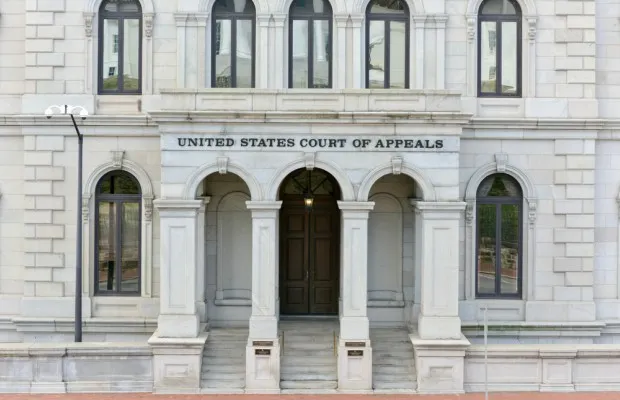
The group filed its Medicare drug pricing lawsuit in the U.S. District Court for the District of Columbia, naming the Centers for Medicare & Medicaid Services, the Center for Medicare and Medicaid Innovation, and the Health and Human Services Department as defendants — along with their respective leaders, Mehmet Oz, Abe Sutton and Robert F. Kennedy Jr. CMS and HHS did not immediately respond to requests for comment.
The trade association wrote in its Medicare drug pricing lawsuit that the approach would lead to the loss of hundreds of new treatments over the next decade, preventing both new drug approvals and approvals for new indications of existing drugs.
How the GLOBE Model Works
The GLOBE model is the administration’s vehicle for Medicare drug pricing reform, aimed at hospital drug prices for Medicare patients. Its final version, published the week before the suit was filed, lays out exactly how a most-favored-nation pricing system — based on what is paid in a group of comparable countries — would be integrated into the Medicare Part B program. The rule is expected to take effect Jan. 1.
The Medicare drug pricing rule is expected to have limited reach at first. The administration has touted 26 separate voluntary agreements with drugmakers to cut prices, and CMS plans to waive the Medicare Part B rule for manufacturers that signed those deals. Drugmakers who previously signed such deals are expected to be exempt, the Journal reported. The Wall Street Journal reported it could ultimately apply to as few as four manufacturers — less ambitious than the administration’s initial proposal.
The GLOBE rule is the latest front in the administration’s broader push to tie American drug prices to what other countries pay. Earlier most-favored-nation efforts drew similar industry lawsuits, and drugmakers have argued that U.S. prices fund the research behind new medicines. The administration counters that Americans pay far more than patients abroad for the same drugs. Hospital groups, caught between the two sides, have warned that the rebate mechanics could complicate billing for physicians who administer the drugs.
Medicare Drug Pricing and the Legal Argument
In the case, PhRMA argues that CMS has stretched the authority of a program meant to test new pricing ideas into rewriting Medicare’s pricing structure without congressional action. “Congress has given CMS a little bit of authority to test models,” PhRMA general counsel Jim Stansel said in an interview, adding that the agency was doing what Congress had repeatedly declined to do.
The appeal for Medicare drug pricing reform gained momentum last year, which brought the proposed GLOBE model back into focus after earlier most-favored-nation proposals stalled.
Medicare Drug Pricing: Limited Reach, Broader Stakes
Reuters reported that the rule is expected to have limited reach in the near term, but the legal fight over Medicare drug pricing could set the terms of a much larger battle. If the courts uphold the model, future administrations could expand most-favored-nation pricing across Medicare Part B without new legislation — a prospect the industry calls illegal overreach and the administration calls long-overdue fairness for American patients.
The case now moves through the D.C. federal court, where a judge will decide whether the rule stands. For drugmakers, hospitals and Medicare patients, the outcome will help determine who sets the price of some of the most expensive medicines in American health care.