
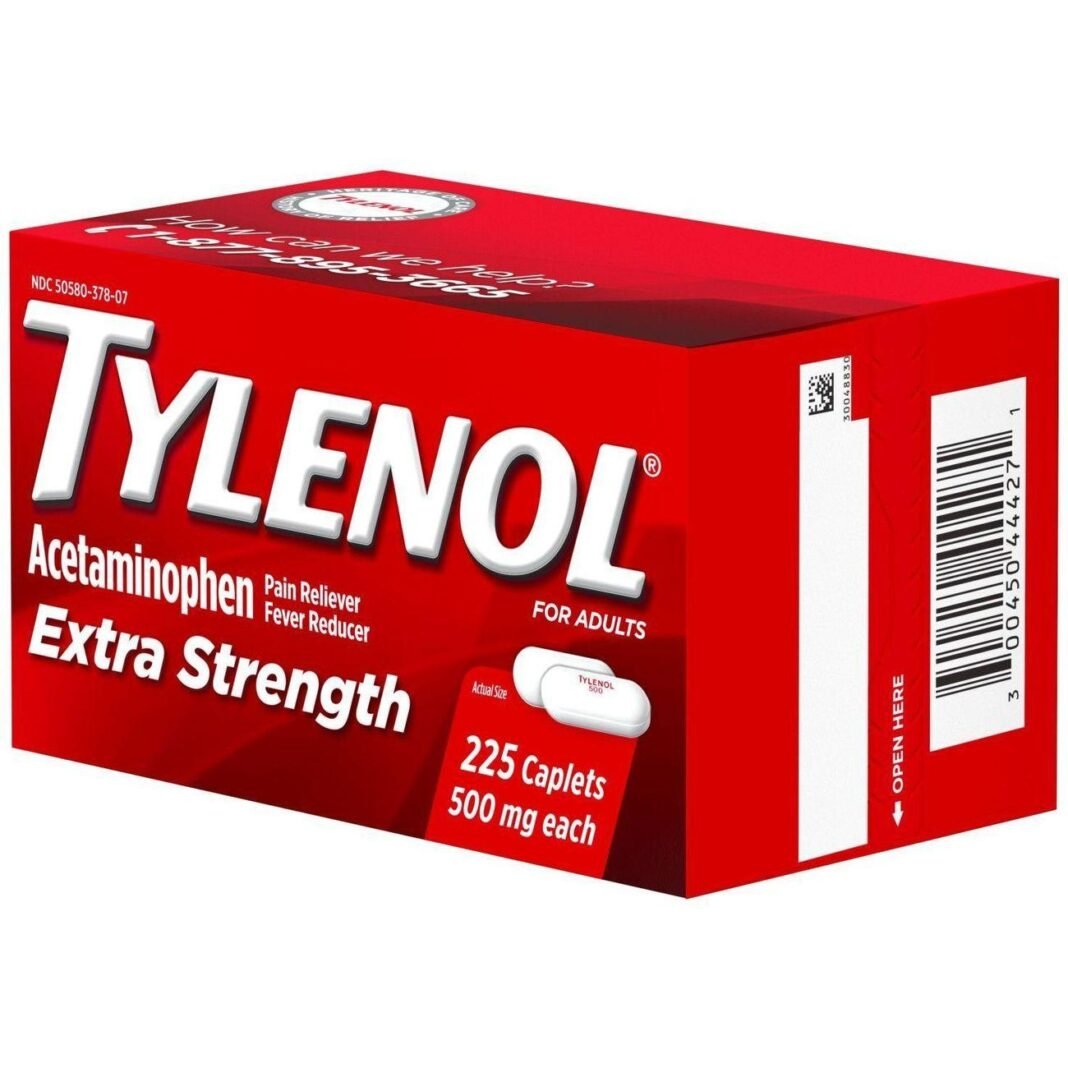


An acetaminophen recall now covers 100,134 bottles of ValuHealth Extra Strength Pain Relief Acetaminophen sold nationwide, after a label mix-up left the outer carton and the inner bottle naming different products. New York based Prodose, Inc. is recalling the bottles, according to a report from the US Food and Drug Administration (FDA) cited by The Healthy on November 3, 2026.
The outer carton label correctly identifies the drug as 500 mg extra strength pain relief acetaminophen. The inner bottle label says "ValuHealth Extra Strength Pain Relief PM," according to the FDA report. That mismatch is the reason for the acetaminophen recall. A person who opens the carton and reads only the bottle could reasonably think they are holding a different product.
PM versions of acetaminophen typically contain diphenhydramine, an antihistamine that causes drowsiness, in addition to acetaminophen. The recalled product is described on the outer carton as plain extra strength acetaminophen, with no PM ingredient listed in that description. The FDA report does not state that the bottles actually contain diphenhydramine. It identifies the problem as a labelling error.
Acetaminophen recall details to check
The FDA report gives specific details for the affected product. It is ValuHealth Extra Strength Pain Relief Acetaminophen, 500 mg, in a 40 count bottle. The UPC is 8 50026 88900 0. The lot number is P260252. The expiration date is April 30, 2029. The product was made in India.
ValuHealth products are sold at Dollar Tree, according to an online listing cited by The Healthy. The FDA report does not specify which locations received the recalled medication. As of press time, the acetaminophen recall was not listed on Dollar Tree's recall page, and the FDA does not list a press release for it. People who bought a ValuHealth pain reliever should check the lot number on the bottle itself.
On October 26, the FDA classified the recall as Class III, its lowest risk level. Class III means the drug is not likely to cause health consequences, according to the FDA definition cited in the report. For Class III acetaminophen recall cases, the FDA notes that patients and consumers can continue using the medicine unless otherwise directed by the recalling company or the FDA.
That guidance can sound confusing next to a recall notice. A Class III acetaminophen recall classification is about the assessed risk from the specific problem identified, not a statement that labelling errors do not matter. The report states it is not immediately clear whether Prodose or the FDA have given consumers additional directions beyond the standard Class III note.
Why the acetaminophen recall label wording matters
Acetaminophen is one of the most widely used pain relievers in the United States, sold under brand names including Tylenol and under many store labels. People take it for headaches, soreness and other minor aches, often without reading every line on the bottle. A PM label carries a clear implication for most shoppers: the product is meant for night time use and may cause sleepiness.
A shopper who takes a product labelled PM during the day, or who avoids a product labelled PM at night because they do not want to feel drowsy, is making a decision based on the label in front of them. When the carton and the bottle disagree, that decision rests on uncertain information. The acetaminophen recall removes that uncertainty from shelves going forward, even though the FDA has placed it in its lowest risk category.
Prodose describes itself on its website as a trusted private label partner in the over the counter and wellness space, according to The Healthy. In this acetaminophen recall, the brand named in the FDA report is ValuHealth, and the lot number is the detail that separates affected bottles from other ValuHealth stock.
What to do if you have the bottle
Check the bottle in your medicine cabinet against the FDA acetaminophen recall details: ValuHealth Extra Strength Pain Relief Acetaminophen, 500 mg, 40 count, lot P260252, expiration April 30, 2029, UPC 8 50026 88900 0. If the lot number matches, contact the retailer where you bought it or Prodose for guidance on return or disposal. Keep the carton as well as the bottle, since the carton carries the correct product name and the bottle carries the mismatched PM wording.
Do not transfer tablets into an unlabelled container while you sort out a recall, and do not combine bottles with different lot numbers into one container. That advice applies generally in an acetaminophen recall, because mixing lots makes it impossible to tell later which tablets came from the affected batch. If you are unsure whether a bottle is affected, a pharmacist can check the lot number and UPC against the FDA enforcement report.