
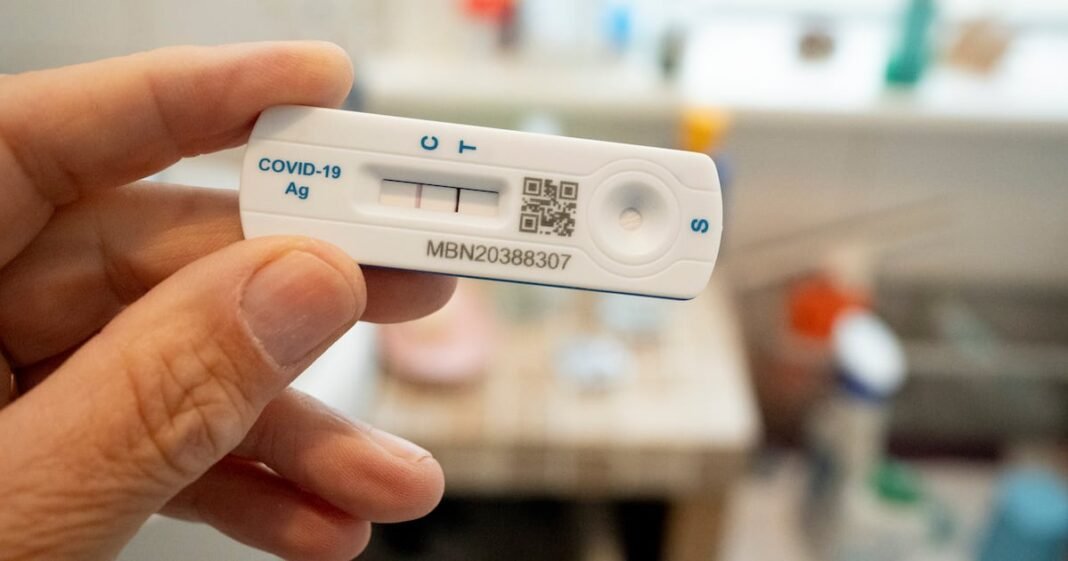


COVID symptoms in November 2026 look familiar to doctors who have tracked the virus through successive surges, with sore throat, cough and fatigue leading the list. Parade published a roundup of current symptoms on November 3, 2026, drawing on interviews with infectious disease doctors, epidemiologists and urgent care physicians. The doctors said the current surge resembles prior ones in its symptom pattern, even as cases rise ahead of the Thanksgiving holiday period.
Dr. Ernesto Sanz, medical director at Baptist Health Urgent Care, part of Baptist Health South Florida, told Parade: "The most common symptoms include sore throat, cough, nasal congestion, runny nose, fatigue, headache and body aches. Some patients also experience fever, chills or gastrointestinal symptoms such as nausea and diarrhea. Loss of taste or smell can still occur, but it is not necessary for a COVID diagnosis."
That COVID symptoms list overlaps heavily with colds and flu, which is why doctors in the roundup stress testing over guesswork. Treatment choices differ between COVID and flu, so a confirmed result changes what a doctor can offer.
COVID symptoms compared with cold and flu
Dr. Cristina Baker, head of medical and scientific affairs for infectious disease at Abbott Laboratories, told Parade: "It can be difficult to distinguish COVID-19, influenza and the common cold based on symptoms alone. All three are respiratory illnesses and can cause overlapping symptoms." Baker added that timing offers a partial clue: flu symptoms often come on suddenly, while COVID symptoms may develop more gradually after exposure. Severity and timing are not always reliable clues, she said.
Dr. Wesley Long, an infectious disease doctor and head of diagnostic microbiology at Houston Methodist, gave the same advice in plainer terms. "The symptoms can be very similar to common colds or flu. The only reliable way to know what you have is to take either a home antigen test, or talk to your doctor about being tested. This can be useful because different medicines can treat COVID and influenza," Long said.
No new or unusual symptom dominates the November COVID symptoms list in the Parade roundup. That is consistent with a virus that has settled into a familiar pattern in clinical practice, even while case numbers rise. Doctors still advise watching for the less common COVID symptoms, including loss of taste or smell and stomach symptoms, because they can appear alongside the respiratory symptoms or, in some patients, with milder respiratory complaints.
How long COVID symptoms usually last
COVID symptoms duration varies from person to person and from infection to infection, doctors in the roundup said. Dr. Neil Vora, a physician and executive director of Preventing Pandemics at the Source Coalition and a former CDC epidemiologist, told Parade: "Most people will feel better within a few weeks, but it can take longer in some cases, particularly if illness is severe or if a person has what is known as long COVID."
People who are pregnant, older than 60, or who have weakened immune systems or conditions such as heart disease or diabetes may face a higher risk of complications, Parade noted. For those groups, early testing matters more, because early diagnosis can open the door to antiviral treatment. Dr. Andrea Giamalva, chief medical officer at Experity, told Parade that testing is especially important for older adults and people who are immunocompromised, because a positive result allows treatment that can decrease symptom length and severity.
When to test and when to seek care
"If you develop respiratory symptoms, particularly after a known exposure, it's reasonable to test for COVID right away," Giamalva said. She added that a negative result early in the illness does not necessarily rule out infection. If symptoms persist, consider repeating a test 48 hours later, Giamalva said.
For COVID symptoms, masking in crowded places, testing after exposure, and isolating if positive remain the practical steps Parade lists for slowing spread during a surge. Vaccination or a booster can reduce the likelihood of severe illness and long COVID, according to the roundup. Those steps are familiar, and doctors in the roundup present them as routine precautions during a November rise, not as new rules.
Seek medical care promptly for trouble breathing, persistent chest pain, significant confusion, or skin, nails or lips appearing blue or pale. Dr. Tyler Smith, a statistical epidemiologist and professor at National University, gave that advice in the Parade roundup. Smith added that vaccines remain the most effective way to combat severe illness.
For most people in November 2026, the COVID symptoms list to watch is short and familiar: sore throat, cough, congestion, runny nose, fatigue, headache, body aches, fever and chills, with nausea, diarrhea or loss of taste or smell in some cases. Testing, not symptom comparison, is what confirms COVID, and early testing gives doctors the best chance to offer treatment.