
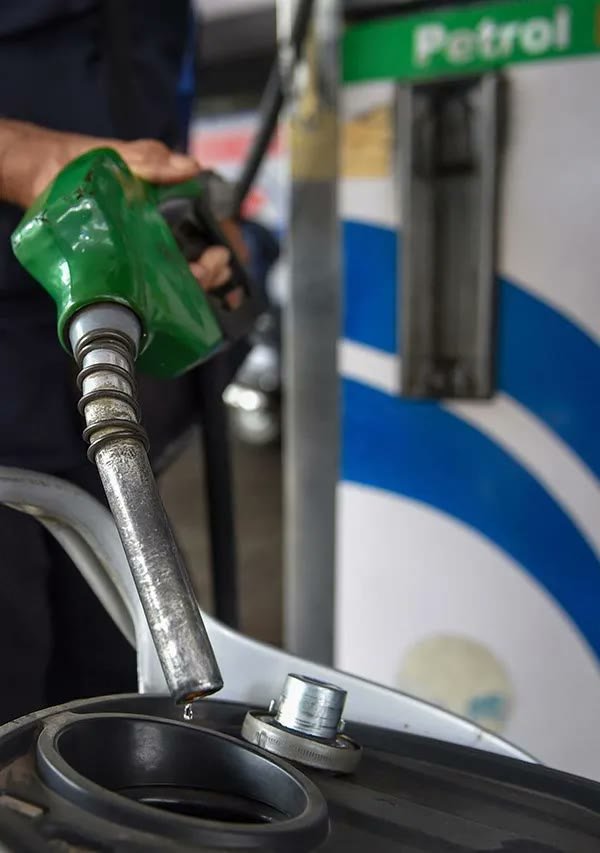


Petrol sold in Karnataka contained ethanol at levels of up to 31.2 per cent, well above the prescribed 20 per cent limit, according to laboratory tests released by the state government. The tests found ethanol in petrol above the limit in 11 of 14 samples examined in detail. The state has sought action against the oil marketing companies involved and compensation for consumers.
How the ethanol in petrol tests were carried out
Food, Civil Supplies and Consumer Affairs Minister Rizwan Arshad released the findings at a press conference on Friday. The inspections followed complaints that petrol sold in the state contained ethanol beyond the permitted 20 per cent limit. The Department of Legal Metrology collected 63 samples from fuel stations in seven districts: Bengaluru, Kolar, Chikkaballapur, Bengaluru Rural, Ramanagara, Mangaluru and Tumakuru. The checks were carried out under the state government’s Mission Nikhara, or Measurement Guarantee, initiative. The samples were tested at the Shriram Research Institute in Bengaluru, a laboratory accredited by the National Accreditation Board for Testing and Calibration Laboratories and certified under ISO standards.
The 63 samples covered fuel sold by Indian Oil, Bharat Petroleum, Hindustan Petroleum, Nayara Energy, Shell and Mangalore Refinery and Petrochemicals. Of the 14 samples for which detailed results were released, 11 recorded ethanol in petrol above 20 per cent. The state said four out of five pumps surveyed were selling fuel above the E20 level.
What the ethanol in petrol results showed
The highest reading came from an Indian Oil Corporation sample, at 31.2 per cent. A Hindustan Petroleum Corporation sample recorded 30.5 per cent. Other results included 27 per cent in an HPCL sample, 26.5 per cent in Bharat Petroleum’s Speed petrol, 26.1 per cent in Nayara petrol and 25.5 per cent in Shell petrol. Two more BPCL samples recorded 24.2 per cent and 22.6 per cent, while another HPCL sample recorded 22.4 per cent and another Indian Oil sample recorded 20.8 per cent. The readings ranged from 13.5 per cent to 31.2 per cent.
The results showed ethanol in petrol above 20 per cent in most of the samples tested in detail. The state government said the ethanol in petrol findings raised questions about fuel quality and about how blending levels are checked. It alleged that in-house laboratory reports from Indian Oil and Bharat Petroleum did not disclose the ethanol content of their fuel, even though the test is a prescribed part of fuel checks. The government said the omission raised concerns about whether excess blending was being hidden from consumers. The oil companies have disputed the findings. The three public sector oil marketing companies said the claims were not supported by testing carried out under the prescribed statutory and technical procedures.
Under the Centre’s Ethanol Blended Petrol programme, petrol sold as E20 contains 20 per cent anhydrous ethanol. The government has said ethanol in petrol above that level can cut vehicle mileage and damage fuel filters, pumps, injectors, hoses and seals, above all in vehicles not built to run on higher blends. The Union Petroleum Ministry said in a clarification on 23 July 2026 that no decision had been taken to raise blending beyond 20 per cent.
E20 petrol, with 20 per cent ethanol, is now the standard blend sold across India. The Centre has promoted ethanol blending as a way to cut crude oil imports and give sugarcane farmers another market, and the programme has moved from pilot sales to nationwide supply over the past few years.
What happens next on ethanol in petrol in Karnataka
The state government has sought action against companies found supplying fuel with excess ethanol, and has called for greater disclosure to consumers. It has also sought compensation for consumers who bought the fuel. The laboratory findings have not been independently verified, and it is not yet clear what action the Centre or the oil regulator will take. For drivers in Karnataka, the tests have raised a direct question about the ethanol in petrol they buy at the pump.