
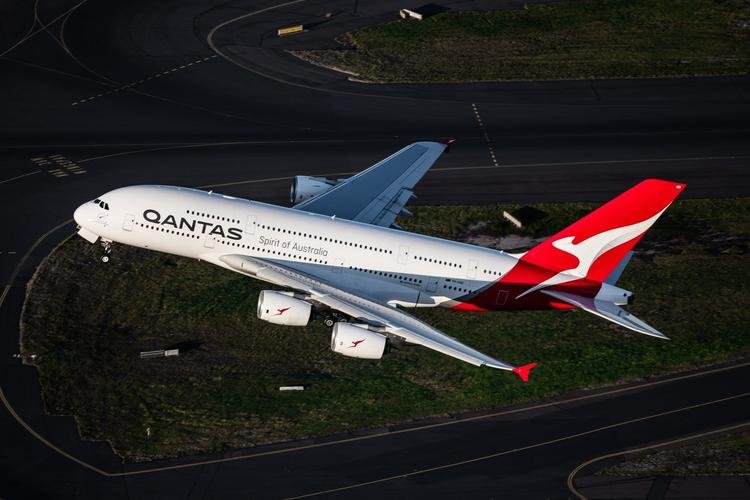


Qantas will cut about 850 corporate jobs in Australia and hand the work to consulting firm Accenture, which will carry out most of it in India, the airline said on Tuesday. The multi-year deal is part of a push to modernise the airline’s back-office systems as it spends more on technology and artificial intelligence. The Qantas AI cuts amount to about 3% of the airline’s 28,000-strong Australian workforce and will roll out over several years.
Chief executive Vanessa Hudson told staff in an email that the move was necessary as the airline embraces artificial intelligence and broader technology change. “Standing still is not an option,” she wrote, according to Bloomberg. “Reinvention at this scale is not possible to do on our own … because we cannot hire at the pace this work needs.” Hudson also said the scale and speed of change in technology and AI is something none of us has seen in our lifetime.
The first phase of the Qantas AI cuts
The first phase covers finance, procurement, human resources and marketing, with the first changes due to take effect by the middle of 2027. Accenture will take over a swathe of back-office functions currently run in-house, and the work will be delivered by Accenture staff mostly in India and some in Australia, the Australian Broadcasting Corporation reported. The programme is known inside Qantas as Project iQ and covers more than 1,000 back-office systems.
Qantas runs on more than 1,000 older software applications that were never designed to work together, and spends more than 1 billion Australian dollars a year on technology. The airline said the work Accenture takes over under the Qantas AI cuts will later be further automated with AI. The partnership runs for seven years, and neither Qantas nor Accenture has disclosed its financial terms. Qantas has also not said how many of the 850 roles will disappear to automation rather than simply move overseas, nor has it put a figure on the savings the deal is expected to generate.
Why Qantas says it needs the change
Hudson framed the Qantas AI cuts as a response to rapid change rather than a cost exercise alone. The airline says the partnership will help it redesign and simplify corporate functions, remove duplicated work and protect operating margins. Investors heard the same message: Qantas shares rose nearly 5.6% on Tuesday after the announcement, with the airline among the top movers on a day the ASX 200 climbed 1.1% to 9,129 points, its highest level in more than two months.
Reaction to the Qantas AI cuts
The federal government criticised the Qantas AI cuts. Transport Minister Catherine King described the outsourcing decision as “incredibly disappointing” and questioned the plan to send AI-related work to another country, while acknowledging Qantas’s need to modernise its platforms. King said Australia needs AI capabilities at home as well. The Australian Services Union called the announcement devastating for Australian workers. Assistant national secretary Scott Cowen said the union needed to be sure the AI announcements and job cuts were genuine “and not a Trojan horse for widespread offshoring.”
The union said that when the project behind the Qantas AI cuts first became known, Qantas had told it directly there was no plan to move jobs offshore. Qantas denied the claim. “We have never given assurances to the union that some jobs wouldn’t move offshore,” the airline said. The union said it was meeting with affected Qantas members on the day the cuts were announced.
What the Qantas AI cuts mean for workers
The announcement revived memories of an earlier outsourcing decision. Qantas received $2.7 billion in taxpayer subsidies during Covid to support employment and keep the airline functioning. Around the same time, it outsourced 1,800 ground crew roles in a move later ruled illegal, triggering fines and lasting damage to its public image. The union said the Qantas AI cuts provided more evidence that Qantas’s culture has not changed under new leadership.
For the 850 workers affected, the detail that matters most is still missing: which roles go to automation, which move to India, and what support follows. Qantas said it would consult affected staff and unions before final decisions. The first changes arrive by mid-2027, and further phases will follow over the coming years. Until then, the Qantas AI cuts are the clearest example yet of how AI restructuring reaches beyond the technology department and into the back office.