


India exports are on track to reach $1 trillion in the current financial year, Commerce and Industry Minister Piyush Goyal said on Thursday, with technology such as UPI and artificial intelligence helping small firms reach buyers overseas. Goyal was speaking at the 23rd Indo-US Economic Summit in New Delhi, organised by the Indo-American Chamber of Commerce, where he set out a five point agenda for the India-US economic partnership.
Goyal said India exports had already reached $480 billion between April and September, and that total exports reached an all time high of $863 billion in the previous financial year. The $1 trillion target for 2026-27 means growth of nearly 16 per cent, and Goyal said October set a new record with $90 billion in exports in a single month.
The minister said the target was sacrosanct and that India was well on track to meet it. He said the government had consulted industry bodies and export promotion councils earlier in the year, and could have settled for a modest growth target of around 5 per cent. It chose the higher figure instead, and the first six months of the year have kept the country on course.
How technology supports India exports
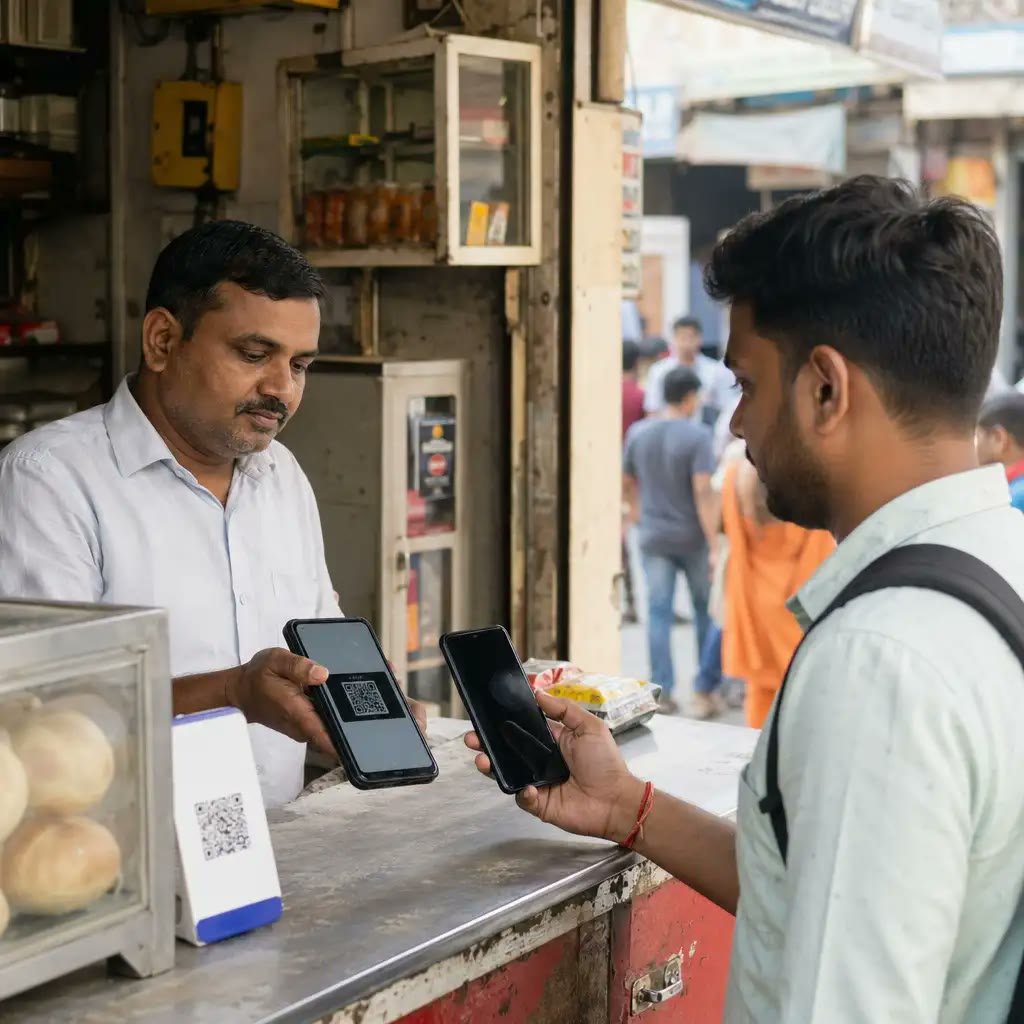
Goyal pointed to the spread of digital payments through the Unified Payments Interface, known as UPI. He said street vendors and five star hotels alike now use digital payment systems, and that the spread of UPI has helped bridge the country’s digital divide. Small sellers who once dealt only in cash can now take payments from any buyer with a phone, and India exports gain when those sellers can sell abroad.
He also pointed to the JAM trinity of Jan Dhan accounts, Aadhaar and mobile phones, which delivers welfare payments, scholarships and pensions straight into bank accounts. The system has plugged leakages, Goyal said, and has helped the government save lakhs of crores of rupees, amounting to billions of dollars.
Modern technologies must reach entrepreneurs and businesses in the remotest parts of the country, Goyal said, naming artificial intelligence, computer aided design and computer aided manufacturing, machine learning and advanced manufacturing. The point, he said, is that the gains from trade should reach micro, small and medium enterprises, farmers, fishermen, artisans and handloom producers, instead of going to large corporations alone.
India exports and the US partnership
Goyal set out a five point agenda under the acronym TRUST to deepen economic cooperation between India and the United States. The five points cover trusted supply chains, raising talent, unlocking Bharat beyond metropolitan cities, speaking candidly, and tracking outcomes. He called India and the United States natural partners in building trusted and resilient global supply chains.
India brings manufacturing strength, a skilled workforce and economic scale to the partnership, Goyal said, and India exports benefit when American buyers trust Indian suppliers. The partnership, he said, blends American innovation with Indian manufacturing skill, and that combination gives India exports an extra push in the American market and beyond.
On technology cooperation, Goyal said the United States has considerable strengths in artificial intelligence and innovation, above all in developing frontier models. India, meanwhile, is looking at the entire AI stack, and will keep working to take AI to its 1.4 billion people. He cited the IndiaAI Mission, the AI Impact Summit, the Semicon 2 initiative and the growth of global capability centres as examples of India’s engagement with emerging technologies.
What comes next for India exports
Goyal said the benefits of global trade and of preferential, free trade and bilateral agreements should extend beyond large corporations to smaller firms and producers. He pointed to the government’s Export Promotion Mission as part of that effort, and said the aim is to bring more small businesses into international trade.
India exports in the first half of the year have been driven by a mix of goods and services, with emerging sectors such as electronics, electrical machinery, telecom equipment and chemicals among the contributors. The government has also pointed to rising foreign direct investment and a growing network of free trade agreements as support for the export push.
Goyal closed by saying that India and the United States should keep building on the trust between them, with supply chains that both sides can rely on. The $1 trillion figure for India exports will be tested in the second half of the financial year, when exporters usually record their strongest months, and the government will watch the monthly numbers to see whether the pace holds.