
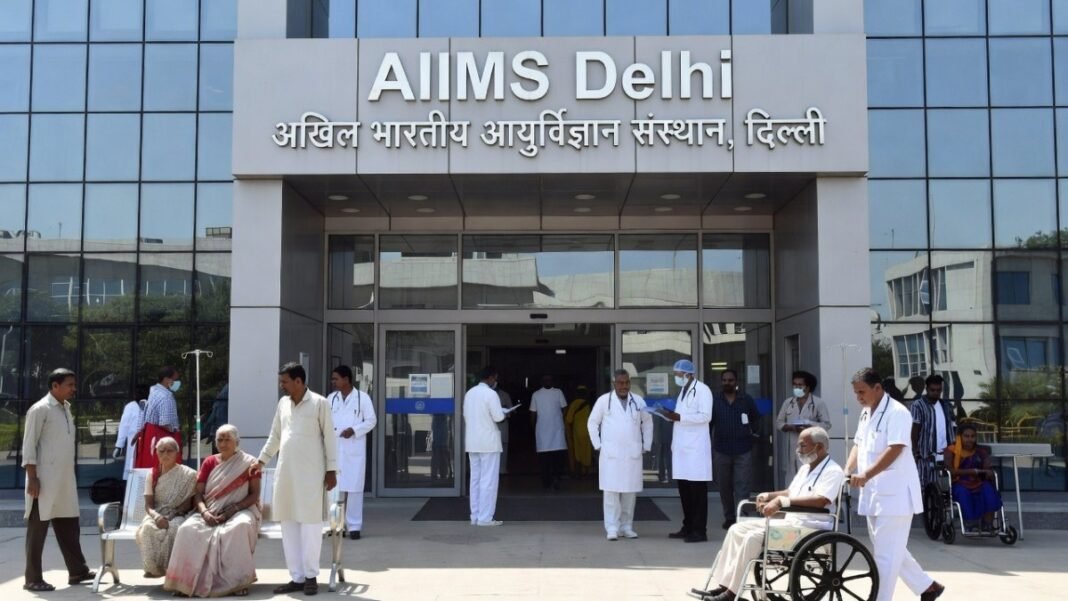


Affordable healthcare was the message from Delhi Health Minister Pankaj Kumar Singh, who urged US healthcare and pharmaceutical companies to bring advanced medical technology to India at prices people can pay. Speaking at the 23rd Indo-US Economic Summit in New Delhi on 19 November, Singh said stronger partnerships between the two countries could improve access to care and strengthen India’s medical infrastructure.
“Indian doctors and the pharmaceutical industry have made a name for themselves across the world. I would urge the US representatives present here today and the pharmaceutical companies to come to India with your technology at affordable prices. We welcome you, and together we can work towards strengthening the healthcare sector and providing affordable facilities to our people,” Singh said.
Affordable healthcare and the Indo-US summit
The summit was organised by the Indo-American Chamber of Commerce in New Delhi. Singh told the gathering that India’s pharmaceutical manufacturing strength and its large healthcare workforce pair well with US expertise in biomedical research, technology and regulatory systems. The discussions covered medicine supply chains, disease surveillance, cancer research, medical technology and patient access, and each of those areas depends on affordable healthcare reaching hospitals and clinics.
Singh addressed the session on “Healthcare, Pharma and Life Sciences: Strengthening India-US Healthcare Partnerships: Innovation, Investment, Technology and Patient Access”. The session brought together a wide range of people from the healthcare, pharmaceutical and medical technology sectors to discuss how affordable healthcare partnerships could work in practice, and what each side would bring to them.
The summit is organised by the Indo-American Chamber of Commerce and brings together business leaders, officials and industry representatives from India and the United States to discuss trade and investment. Healthcare was one of the subjects on the agenda, alongside the wider economic relationship between the two countries. Singh’s session drew speakers from government, the US Embassy and the pharmaceutical industry.
What affordable healthcare partnerships would cover
Genessa Giorgi, the US Embassy’s Health Attaché and Regional Representative for South Asia, spoke at the session about strengthening the pharmaceutical supply chain, a priority for both the US and India. She said a reliable supply chain matters for affordable healthcare, because medicines and devices have to reach patients without interruption and without sudden price rises.
Giorgi referred to the India-US Initiative on Critical and Emerging Technology, known as iCET, under which the two countries have committed to strengthening their supply chains and making them more resilient to future shocks. She also spoke about investment opportunities through the SelectUSA initiative and referred to $20.2 billion in investments announced by the US last May, of which $19.1 billion was in Indian pharmaceuticals and other sectors.
Bhuvnesh Shrivastava, Lead Corporate Affairs at AstraZeneca Pharma India, told the session that diversification is a key driver of growth in the pharmaceutical industry. His point was that companies which spread their work across products and markets are better placed to invest in new technology, and that investment is what affordable healthcare partnerships would draw on.
Singh’s argument rested on a point he made in his speech: Indian doctors and the pharmaceutical industry have made a name for themselves across the world. Paired with US research and technology, he said, that strength could widen access to treatment if the price is right.
Investment and the affordable healthcare push
For Delhi, the appeal is practical. The discussions at the summit covered medicine supply chains, disease surveillance, cancer research, medical technology and patient access, and each of those areas depends on technology reaching hospitals and clinics at prices they can pay. Singh’s invitation was aimed at companies that already sell in India and at those weighing an entry, and it was framed as a partnership rather than a purchase.
The 23rd Indo-US Economic Summit closed with the healthcare session’s call for closer cooperation on innovation, investment, technology and patient access. Singh’s message to the US companies in the room was direct: bring the technology to India at affordable prices, and the two countries can work together on strengthening the healthcare sector and on affordable healthcare for the people who need it.