
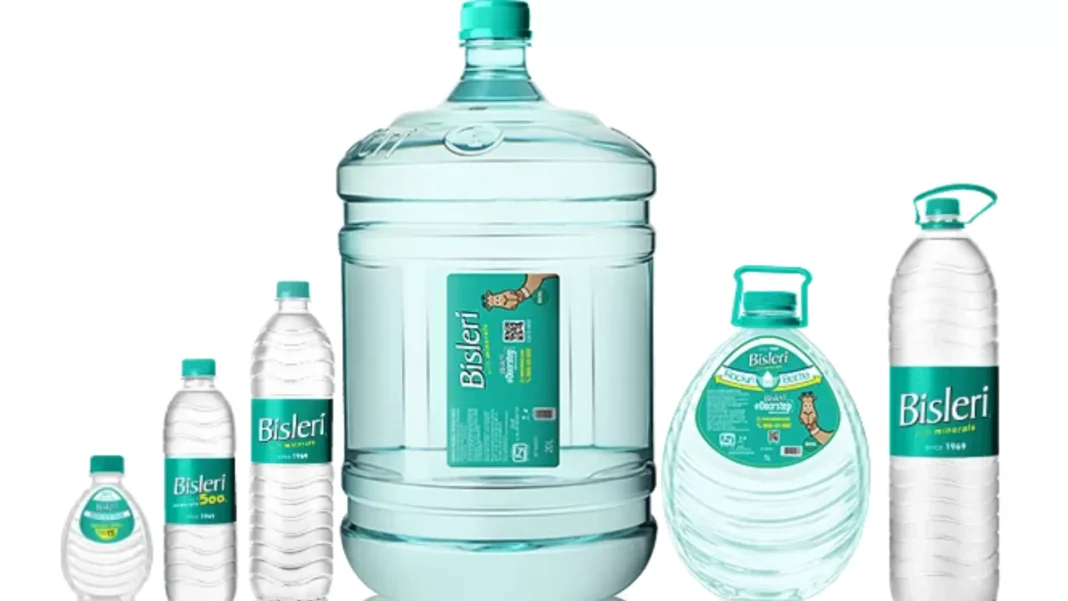


The Food Safety and Standards Authority of India has sanctioned prosecution against Bisleri International Pvt Ltd after a regulatory sample of its packaged drinking water was declared unsafe in laboratory tests. The Bisleri water sample was first found to breach prescribed limits for bromate, and a second examination by a referral laboratory also declared it unsafe, this time after detecting polynuclear aromatic hydrocarbons. The regulator announced the decision on Sunday, November 22.
A regulatory sample of Bisleri water, described as packaged drinking water other than mineral water, was collected from the premises of Bisleri International for analysis. The first laboratory examination found the sample non-compliant with the prescribed bromate limits and declared it unsafe under the Food Safety and Standards Act, 2006. The company exercised its right to appeal, and the sample was sent to a referral food laboratory for further examination.
The referral laboratory also declared the Bisleri water sample unsafe, after detecting polynuclear aromatic hydrocarbons, known as PAHs. Both bromate and PAHs are classified as carcinogens, substances associated with the potential to cause cancer. The regulator said the laboratory findings established violations relating to unsafe food under the Act, and sanction has been granted to launch prosecution against the company.
Bisleri water sample failed two laboratory tests
The two tests examined the same regulatory sample, collected by food safety officials from the company’s premises. The Bisleri water sample failed first on bromate, a chemical whose levels in packaged drinking water are capped at 0.01 milligrams per litre under Indian standards because of its potential health risks. The referral laboratory then found PAHs, a group of organic compounds that can enter the environment through incomplete combustion of organic materials.
The regulator has not publicly specified the exact concentrations of bromate or PAHs detected in the sample. It has also not disclosed the location of the premises from which the sample was collected, the date of collection, or the particular batch involved. The findings therefore concern the regulatory sample examined and do not, by themselves, establish that every product sold under the Bisleri brand is unsafe.
What the laboratories found
Bromate can form in drinking water during treatment, and Indian rules set a strict ceiling for it in packaged water. PAHs are a different class of compound, and their presence in a drinking water sample points to contamination somewhere in the production or packaging chain. The referral laboratory detected PAHs after Bisleri challenged the first Bisleri water result, which means the sample was examined twice by two different laboratories and declared unsafe on both occasions.
The regulator said the Bisleri water findings established violations relating to unsafe food under the Food Safety and Standards Act, 2006. Prosecution under the Act can lead to fines and imprisonment if the charges are proved in court, though no specific penalty has been announced in connection with Sunday’s decision.
Bisleri water case: what prosecution means
The sanction granted by the regulator allows prosecution proceedings against Bisleri International to be initiated under the Food Safety and Standards Act, 2006. The company will have the opportunity to respond to the allegations through the legal process. The sanction itself is not a court finding of guilt, and the final outcome will depend on the proceedings and the evidence considered by the competent court.
The regulator’s statement on the Bisleri water sample did not indicate whether any product recall, suspension of manufacturing operations or other immediate restrictions had been ordered. No nationwide recall of Bisleri products was announced in the statement about the prosecution. Bisleri is among the largest packaged water brands in India, and the case will be watched by other manufacturers in the sector.
A wider enforcement drive
The action is part of a broader regulatory crackdown that also includes product recalls and licence suspensions across several food businesses. On the same day, the regulator issued a recall order to Asha Confectionery over pre-packed chocolate-filled cookies, after laboratory findings raised concerns about the product’s labelling, composition and safety. The examination detected carmosine, a colouring substance, in the cookies even though it had not been mentioned on the label, and the product was classified as misbranded, sub-standard and unsafe.
The action comes amid increased regulatory scrutiny of packaged drinking water and other food products, and the Bisleri water case is the most prominent example so far. Under a revised testing framework introduced by the regulator, manufacturers of packaged drinking water and mineral water have been required to comply with an updated testing scheme from January 1, 2026. The scheme followed the removal of the earlier mandatory Bureau of Indian Standards certification requirement for these products, which put the testing obligation squarely on manufacturers and the regulator’s own sampling teams.