
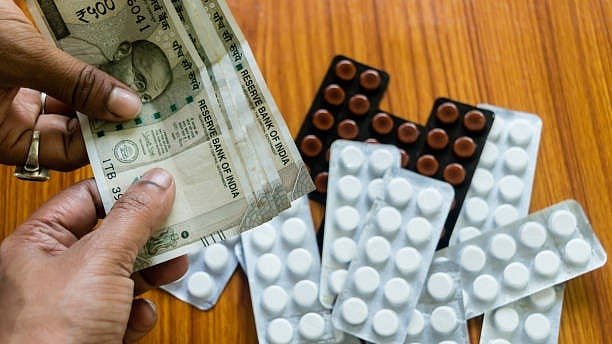


Karnataka has paused enforcement of its medicine price disclosure rule after telling the High Court the circular behind it is under review. The state government gave the assurance on medicine price disclosure to the Karnataka High Court on 30 October 2026, agreeing the measure will not be insisted upon until at least the next hearing on 12 November 2026. The rule was due to take effect on 1 November 2026. Private healthcare providers had challenged the circular in court, questioning its legal basis and workability.
Before Justice C. M. Poonacha, Additional Advocate General B. V. Bhanuprakash told the court that officials are having a fresh look at the 1 October 2026 circular and that it will not be insisted upon till the next date of hearing. The court recorded that statement on medicine price disclosure. The pause in medicine price disclosure is not a final ruling on the circular. It removes the immediate risk that a hospital failing to comply from 1 November would be treated as in default, while leaving both sides free to argue validity on 12 November.
What medicine price disclosure would have required
The circular was issued on 1 October 2026 by the Commissioner of Food Safety and Drug Administration, Karnataka. From 1 November, medicine price disclosure would have required hospitals and healthcare institutions to show in each itemised bill the procurement or landing price, the maximum retail price and the price charged for medicines, medical devices and consumables. The requirement covered inpatient and outpatient bills, with notices at billing counters and pharmacies, relevant information on websites and invoices and billing records preserved for at least three years.
The circular cited a need for greater price transparency and protection against unfair mark-ups. Supporters of medicine price disclosure argue that patients cannot judge a hospital bill without knowing what the hospital paid. In 2023, the health department had already directed private medical establishments to display treatment and service rates at reception desks, give patients rate booklets and issue itemised bills after complaints about consolidated rates without individual break-downs.
Why hospitals challenged medicine price disclosure
The petitioners challenging medicine price disclosure are the Private Hospitals and Nursing Homes Association, Pristine Hospitals and Research Centre Private Limited and Dr Halagere Mallikarjuna Prasanna. They contend the circular has no statutory basis and imposes a disclosure duty the existing legal framework does not contemplate. The petition argues that the state drug licensing authority regulates matters under the Drugs and Cosmetics Act, 1940 and the Drugs Rules, 1945, but those provisions do not authorise compelling disclosure of procurement costs on patient bills.
Medicine pricing is governed by the Drugs (Prices Control) Order, 2013, administered by the National Pharmaceutical Pricing Authority, the petitioners say, and that order regulates the maximum retail price but does not require disclosure of landing or base prices to patients. The petition also notes that Karnataka has not adopted the Clinical Establishments (Registration and Regulation) Act, 2010, and that healthcare establishments in the state are instead regulated under the Karnataka Private Medical Establishments Act, 2007, which imposes no duty to disclose base prices on patient bills, the petitioners say. The petition further questions the circular’s reliance on the Legal Metrology Act and hospital-billing standards from the Bureau of Indian Standards, arguing that neither gives a statutory basis for compelling disclosure of procurement costs.
Procurement prices vary, the petition argues, with suppliers, purchase quantities, discounts, rebates and credit arrangements, so a single procurement figure on a bill would hide the commercial context behind it. The Karnataka Pharma Retailers and Distributors Organisation argued that singling out healthcare to disclose wholesale procurement prices on retail invoices treats the sector differently from other retail businesses on the standard maximum retail price system. Its president, C. Jayaram, said disclosure without context could trigger disputes between patients and hospital staff.
What happens next on medicine price disclosure
The court had already issued notice to the central and state governments, with Justice Poonacha seeking responses from the Union Ministry of Health and Family Welfare, the Karnataka Department of Health and Family Welfare and the Food Safety and Drug Administration in Karnataka. At the next hearing on 12 November, the court may consider whether any interim relief is needed on medicine price disclosure. That question remains open because the 30 October order is not a stay and decides nothing on the merits.
Health Minister U. T. Khader had earlier ruled out withdrawing the circular, telling The Hindu that the landing-cost disclosure issue is before the Supreme Court, that the requirement will depend on the court’s order and that there were no plans to withdraw the order on displaying maximum retail price and purchase costs. The state’s assurance sits alongside that position: enforcement is paused while officials reconsider the circular, but it has not been withdrawn.