
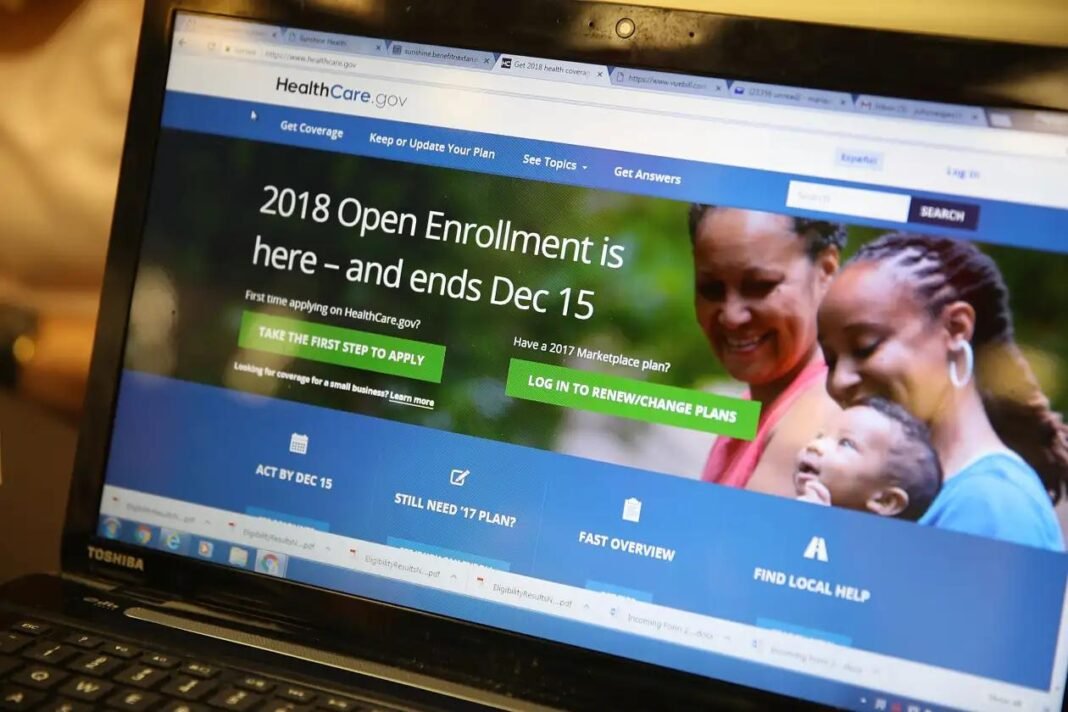


ACA open enrollment began over the weekend for most Americans who buy health insurance through the Affordable Care Act marketplace, and shoppers face higher prices than they did a year ago. A new analysis from KFF found that finalized benchmark silver premiums will rise by an average of 13% in 2027, the second straight year of double digit increases. The change comes as enhanced premium tax credits expire, leaving some households to pay more of the bill themselves.
ACA open enrollment opened on November 1 in most states. People with a marketplace plan can renew it, switch plans, or sign up for the first time. Coverage bought during this window takes effect at the start of 2027, and shoppers who miss the deadline generally cannot enroll later unless they qualify for a special enrollment period tied to a life event such as losing a job based plan or moving.
How ACA open enrollment works
ACA open enrollment typically runs from November 1, 2026, through January 15, 2027. Three states, Connecticut, Idaho and Massachusetts, saw their enrollment periods begin last month. Massachusetts residents will have until January 23 to shop for coverage, while residents of Virginia will have until January 29. People who live in California, the District of Columbia, New York and Rhode Island will have until January 31. Idaho is the only state whose enrollment period ends in 2026, closing on December 15.
Shoppers compare plans on healthcare.gov or their state exchange. The benchmark silver plan is the mid tier plan used to set subsidy amounts, so its price matters even for people who pick a different metal tier. KFF said benchmark silver premiums have risen by an average of 42% between 2025 and 2027, a two year climb that now shapes what households pay each month.
That two year rise is the backdrop for ACA open enrollment this year, and it explains why ACA open enrollment shoppers are seeing larger monthly bills even when they renew the same plan.
Why ACA open enrollment costs more this year
The end of enhanced premium tax credits is the largest single change. Congress expanded those credits during the pandemic, and they lowered monthly premiums for millions of people. With the expansion gone, KFF noted that most enrollees will still get a subsidy to help cover premiums, but people with incomes above 400% of the federal poverty level will not. That group faces the full increase.
Enrollment has already slipped. Data published in June from the Department of Health and Human Services showed 19.2 million people were enrolled under the ACA in the first two months of 2026, down by about 3 million people compared with the same time last year. KFF said several insurers expect coverage to decline further in 2027 as the credits expire and some people drop out rather than pay higher premiums.
Insurers leaving the marketplace
As of October 28, about 11 carriers have said they will no longer offer coverage in at least one state in 2027, according to KFF. Insurers may be reassessing whether marketplace business stays profitable as people unenroll, KFF suggested. Among the carriers is Cigna, which will exit all 11 states where it offers ACA plans, affecting more than 350,000 people.
People whose carrier leaves must pick a new plan during ACA open enrollment to keep coverage. State exchanges list which carriers remain in each county, and ACA open enrollment shoppers who do nothing risk losing coverage at the end of the year. Consumer groups advise checking whether a preferred doctor and hospital stay in network before renewing, since networks change even when the carrier name stays the same.
Who loses tax credit help
The Trump administration’s reconciliation bill, signed into law in July 2025, changes eligibility requirements for some immigrants. Under the bill, certain groups will not be able to obtain ACA tax credits and cost sharing help and may have to pay full price for coverage in 2027. Only lawful permanent residents, certain Cuban and Haitian entrants and lawful residents living in the United States under the Compact of Free Association remain eligible.
Other lawfully present immigrants, including refugees, asylum applicants, survivors of domestic violence who petitioned for lawful immigration status and green card applicants, will lose eligibility, according to the nonprofit National Immigration Law Center. KFF said the Congressional Budget Office estimates that about 1 million more people will be uninsured due to this provision by 2035.
Shoppers who are unsure about eligibility can check healthcare.gov or call the marketplace helpline before ACA open enrollment closes in their state. Premiums, deductibles and networks differ by county, so a plan that looks cheap on its monthly price can cost more over a year of care. The deadline that matters is the one set by the state where the shopper lives.