
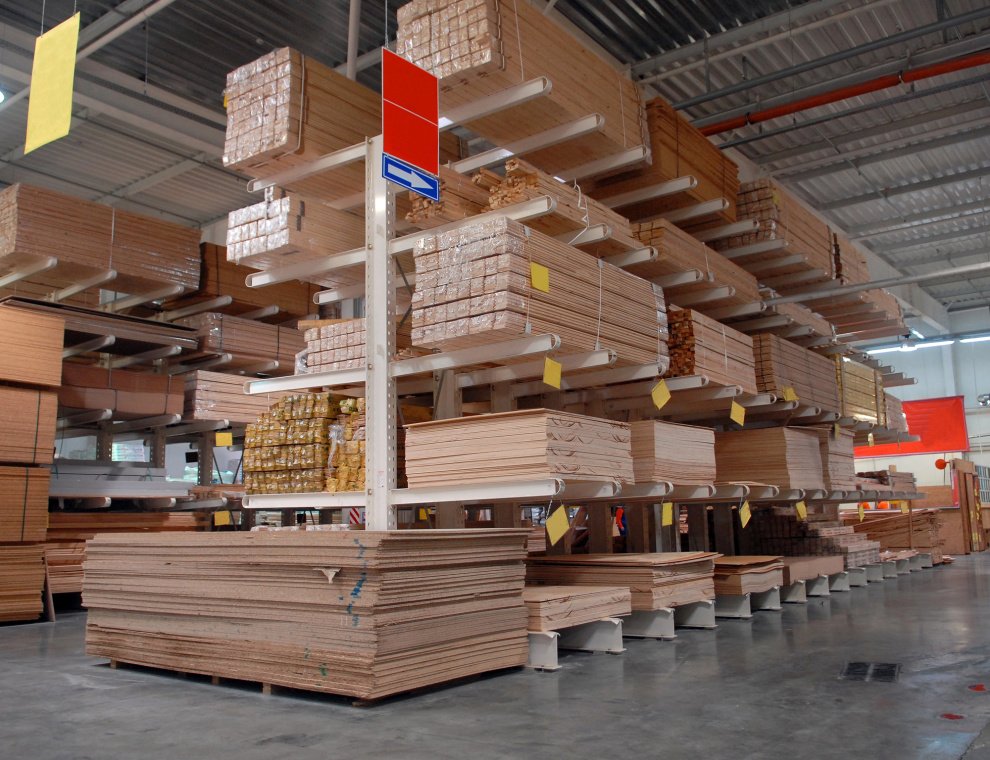


Canada tariffs on a set of Canadian goods are lifted from October 30, when changes signed by President Donald Trump on October 23 take effect. The order removes the 50 percent tariff from plywood sheets, some paper products, certain machinery and refrigeration equipment, and packing crates and boxes, as well as fresh and dried seaweed, the White House said. The relief covers nine categories of products, according to Senator Susan Collins of Maine, who announced the exemptions first and said she had lobbied the White House for them.
Trump imposed 50 percent tariffs in August on 20 billion dollars of Canadian imports, after talks between the two countries collapsed, Reuters reported. Canada retaliated in September with tariffs ranging from 15 percent to 50 percent on 20 billion dollars in United States goods. Trump added a number of Canadian products to the 50 percent tariff list to offset the relief. The new additions include carpets, paints, waste, shampoos, cocoa powder, wooden coffins, ice cream sticks, air-conditioning machines, chest freezers, archery equipment and canoes.
Collins, a Republican locked in a tight reelection battle in Maine, said the relief would aid the state’s blueberry, potato, apple and seaweed producers. “These producers are a vital part of our state’s economy and support our rural and coastal communities,” Collins said. “Many of our farmers and growers rely on specialized equipment, packaging materials and other products from Canada that are either unavailable from American suppliers or cannot be replaced without incurring significant expense.”
Canada tariffs relief and Maine’s farm industries
Collins said she had spoken with United States Trade Representative Jamieson Greer and Commerce Secretary Howard Lutnick, and that she asked repeatedly for tariff relief for the products now exempted. Her office cited the example of Maine wild blueberry growers who need specialized harvesting boxes from Canada that work with their processing equipment. The Canada tariffs list provided by Collins’ office also includes corrugated paper cartons and boxes, plastic boxes, cases and crates, and agricultural cleaning, sorting and grading equipment.
Maine borders Canada, and its economy is closely tied to Canadian suppliers for lumber, packaging and farm equipment. Collins said she would seek additional relief from tariffs and encourage a broader trade agreement with Canada, which she described as a neighbor, ally and largest trading partner. The changes arrive four days before the November 3 midterm elections.
Democrat Troy Jackson, who is seeking to oust Collins in a race that polls indicate is very close, criticized the Canada tariffs move. “Trump’s trade wars have made life harder and more expensive for Mainers,” Jackson said on Friday after Trump’s action. “Susan Collins enabled this chaos, voted to confirm the people behind it and now wants credit for bringing a cup of water to put out the fire.” Collins did not immediately respond to a request for comment on Jackson’s remarks, Reuters reported.
Canada tariffs swap keeps the overall burden in place
The White House presented the Canada tariffs change as a refinement rather than a retreat. Spokesman Matthew Middleton said the president “continues to address Canada’s discriminatory treatment of U.S. commerce” and that the new moves are “further refining the scope” of the previously announced tariffs.
That swap is why the Canada tariffs story cuts in two directions. Maine growers and producers that use the exempted goods get relief from October 30, while importers of the newly added goods, from carpets to canoes, face a 50 percent tariff they did not face before. The White House fact sheet did not mention Maine, while Collins’ announcement did not mention the additions.
Senator Ron Wyden of Oregon, the top Democrat on the Senate Finance Committee, called the move a “desperate, 11th-hour attempt” to protect Collins’ political future. Michigan Republican Senate candidate Mike Rogers, who previously called for ending the trade war with Canada, praised Trump for imposing tariffs on Canadian trash.
Canada tariffs and Ottawa’s response
Dominic LeBlanc, Canada’s minister responsible for trade with the United States, said Ottawa was assessing the latest Canada tariffs change. “Canada stands ready to work constructively and in good faith towards a more mutually beneficial trading relationship that respects Canada’s interests,” LeBlanc said in a statement. Trump asserted on Friday that Canada is working on a deal, though trade talks have not resumed since collapsing in August.
Republican candidates in northern United States border states most affected by the tariffs, including Maine and Michigan, are trying to strike a balance between appealing to Trump’s conservative base and winning over independent voters, Reuters reported. The economies of Michigan and Maine have long been intertwined with that of Canada.
The Canada tariffs change takes effect on October 30, with the exempted goods free of the 50 percent rate and the newly added goods joining the list on the same day.