
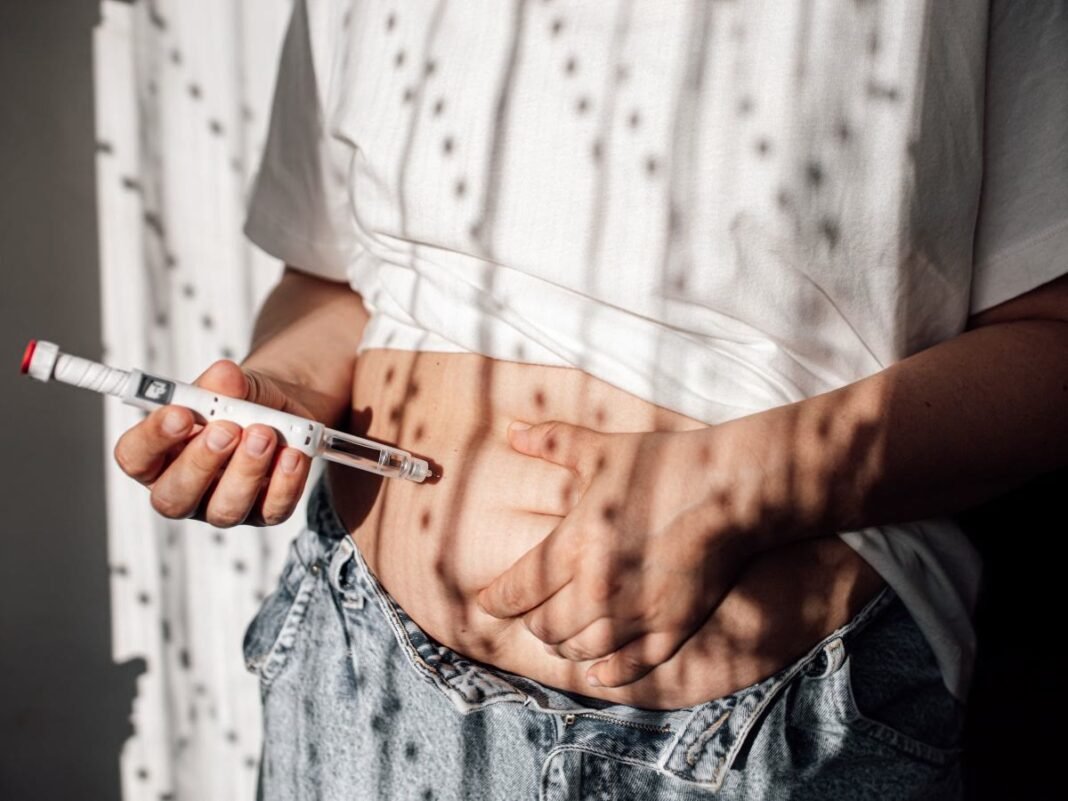


Workers signing up for next year’s health insurance plans are finding a glaring difference: a growing number of employers are cutting GLP-1 coverage for weight loss. An industry survey shows the share of companies providing insurance coverage for the medication fell from 72 percent last year to 60 percent this year, and the people affected are now scrambling to pay for drugs they had come to rely on.
Among the companies that have recently ended GLP-1 coverage or will do so in 2026 are Starbucks, UPS, PepsiCo and Comcast, the parent company of NBC News. The drugs, sold under brand names such as Wegovy and Zepbound, can cost hundreds of dollars a month without insurance, and many workers say they cannot afford that.
Caitlin Mendoza, a Starbucks employee who has lost 60 pounds, said she faces a monthly bill of 299 dollars. Her doctor said the only way her insurance would cover the medication is if she developed diabetes. Mendoza was told she was prediabetic when she started a GLP-1 in January, and she now faces losing coverage unless her condition worsens.
GLP-1 coverage falls as costs rise
The GLP-1 coverage retreat is driven by cost. Employers have watched the drugs’ share of annual claims swell, and many have decided they cannot keep paying for them when prescribed for weight loss alone. A survey by the benefits consultant WTW found that 53 percent of employers still cover the weight loss medications, down from 57 percent a year ago, and 30 percent of those that still cover them are considering dropping them.
A separate survey by KFF found that a year ago, 43 percent of employers with 5,000 or more workers covered GLP-1s when prescribed for obesity. In 2026, just 33 percent of those large employers covered them. Among employers with 200 or more workers, 18 percent covered the drugs for obesity.
Roger Hunt, who lost 80 pounds after starting a GLP-1 last year, said his costs are rising from 25 dollars to 450 dollars a month. Hunt said he has less back pain and has stopped using a sleep apnoea device since starting the drug. Andrea Giancontieri, who buys her own small business plan, has been skipping doses after her coverage ended and she was quoted 498 dollars a month. She is managing lipedema, a condition that causes painful fat deposits, and she fears her progress will reverse.
Workers turn to cheaper options as GLP-1 coverage ends
Some workers who lose GLP-1 coverage are turning to cheaper compounded versions sold through telehealth companies, while others have quit the medications altogether. Some companies are encouraging workers to buy medications from direct-to-consumer pharmacies or sending workers to third-party weight loss vendors.
Doctors and advocates for patients who spoke to NBC News pointed out the double standard for patients with obesity. One advocate said “we just don’t see that happen to other people living with different conditions.” The point is that obesity is treated as a chronic disease by many doctors, but employers are cutting coverage for its treatment in a way they would not for other long-term conditions. The GLP-1 coverage cuts, they said, send a message that weight loss treatment is optional.
The drugs are still covered for diabetes in most plans. The International Foundation of Employee Benefit Plans found that 60 percent of employers cover GLP-1s for diabetes only, while 36 percent cover them for both diabetes and weight loss. That split is what leaves workers like Mendoza in a bind: her doctor says the drug is working, but her plan will only pay for it if she gets sicker.
What the GLP-1 coverage cuts mean for 2027
More cuts are expected in 2027. A survey by the benefits consultant Marsh found that about 6 percent of large employers expected to drop coverage of GLP-1 weight loss drugs in 2026, and another 5 percent plan to drop coverage in 2027. Employers that drop coverage overwhelmingly cited cost as the reason, according to WTW.
The GLP-1 coverage cuts have pushed drugmakers to respond with self-pay programmes, such as Novo Nordisk’s NovoCare and Eli Lilly’s LillyDirect, which let patients buy the drugs directly at a set price. Some employers point workers to those programmes, or to manufacturer discount cards, instead of covering the drugs through insurance.
For workers choosing their 2027 plans now, the question is whether their employer still offers GLP-1 coverage, and at what price. Those who lose coverage face a choice between paying hundreds of dollars a month out of pocket, switching to a compounded version, or stopping a treatment that has changed their health.