
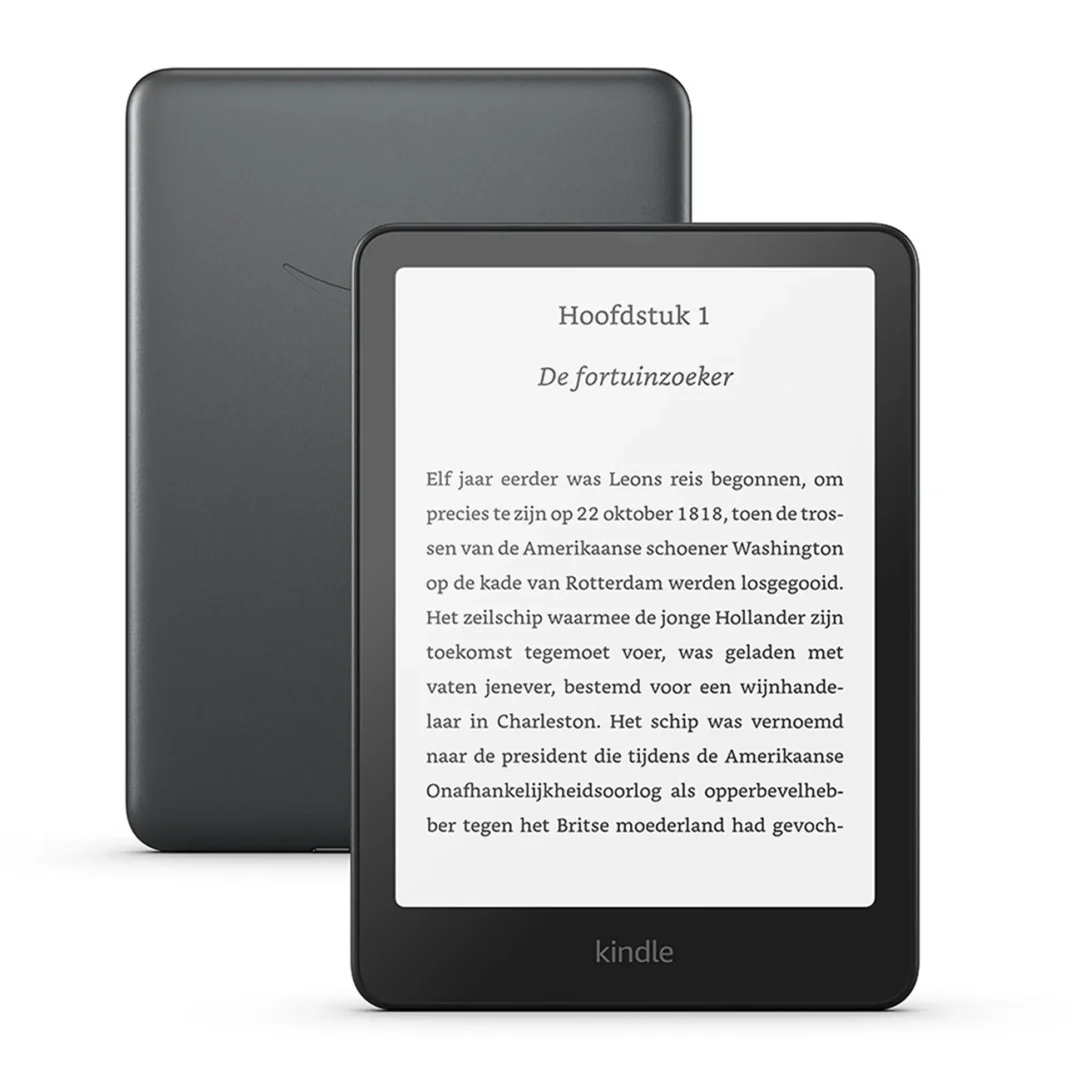


The Kindle Paperwhite Signature Edition for 2026 has been reviewed by Engadget, which scored it 8.6 out of 10 and described it as updated in all the right places. The model sits in the middle of Amazon’s 2026 Kindle range in price and capability, and it refines a reader that was already well regarded rather than starting again from scratch.
Amazon prices the Kindle Paperwhite Signature Edition at $250 in the United States, which is $50 more than the 2024 Signature Edition cost at launch. The standard 2026 Paperwhite costs $200. The question for buyers is whether the changes to the Signature Edition justify that gap, since the screen size, resolution and battery rating carry over from the standard model.
Kindle Paperwhite design changes
The Kindle Paperwhite Signature Edition now has an aluminium back, replacing the plastic housing of earlier models. On the Seaglass Green version, the front bezel is colour matched to the back panel. The device is one millimetre thinner than its predecessor, at 6.8 millimetres against 7.8 millimetres, a difference that Engadget notes most readers are unlikely to notice in daily use.
Amazon has also moved the power button to the top right edge, a position that will feel familiar to anyone who uses a smartphone. The reader keeps a 7-inch, 300 pixels-per-inch E Ink display with a glare-free surface, adjustable warm lighting and IPX8 water resistance, so it survives accidental immersion and works around pools and baths.
Amazon says the updated display uses an oxide thin-film transistor backplane to deliver deeper blacks and improved contrast. Engadget’s reviewer, Billy Steele, found the claimed gains in sharpness and contrast hard to distinguish during everyday reading, after two weeks with the device. The screen remains high contrast with crisp text, which Engadget lists among the reader’s strengths, but buyers should not expect a visibly different page.
Kindle Paperwhite accessories and charging
The largest change to how the Kindle Paperwhite Signature Edition is used sits on its back cover. Four pogo pins now support new accessories, most notably the Page Turn Cover at $80 and a $60 charging stand whose shipping date was not known at the time of the review. Only the Signature Editions carry a pogo connection, so those accessories do not work with the standard model.
That change comes with a loss. Amazon has dropped the wireless charging offered on the 2024 Signature Edition in favour of the pogo-pin arrangement. Engadget lists the switch among the reader’s drawbacks, along with the higher launch price and the sense that the Signature Edition extras do not feel essential. A separate Kindle Click page-turn remote works with Kindle models from 2024 onward, so readers who only want a remote do not need the new model.
The Kindle Paperwhite Signature Edition also adds double-tap page turns, letting readers tap the lower sides or back of the device to move forward a page. The gesture does not turn pages in both directions, so readers still swipe or tap the screen to go back. An auto-adjusting front light, 32GB of storage and USB-C charging complete a specification that closely matches the standard model apart from build, storage and accessories.
Kindle Paperwhite battery and verdict
Amazon rates battery life at up to 12 weeks on a charge, the same rating as the 2024 model. Engadget’s reviewer could not test that claim in two weeks of use, and notes that past Kindle devices have lasted for months of occasional use on a single charge. Performance feels slightly quicker than the 2024 model for downloading books and searching, though the 2024 Paperwhite was never slow at those tasks.
Engadget’s verdict is measured. The Kindle Paperwhite Signature Edition earns its 8.6 score on a high-contrast display, a sturdier aluminium build, speedy performance and an auto-adjusting front light, while the higher price, the loss of wireless charging and extras that do not feel essential count against it. Readers who want physical page-turn buttons through the cover, or who value the metal build and extra storage, have the clearest reason to pay the $50 premium. Readers with a working Paperwhite from recent years will find a nicer device, but not a new reason to read.