
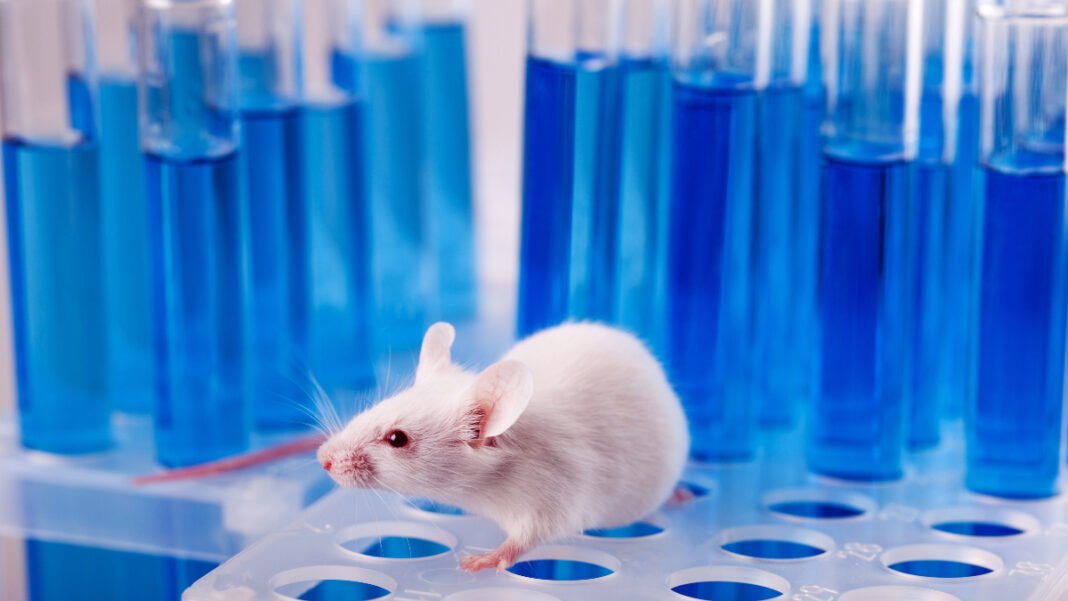


Proposed lab animal testing rules published by the Indian government on 6 October 2026 have drawn objections from welfare groups and questions from researchers, with comments closing on 5 November 2026. The draft Prevention of Cruelty to Animals (Control and Supervision of Experiment, Breeding and Trading of Laboratory Animals) Rules, 2026 would replace the 1998 framework. The Ministry of Fisheries, Animal Husbandry and Dairying issued the draft as Gazette notification G.S.R. 864 (E) through the Committee for Control and Supervision of Experiments on Animals. The proposals are still under consideration, not rules in force.
The draft lab animal testing rules sort experiments by the pain or distress they are expected to cause. That grading decides how much outside approval an experiment needs. Welfare groups say the new route weakens independent oversight. The 30-day consultation window has become the focus of a campaign urging the public to write in.
What the lab animal testing rules would change
Under the lab animal testing rules draft, prior government approval would apply only to experiments expected to cause unbearable pain or to threaten an animal’s life. Company-appointed expert committees would decide whether those conditions apply. Mild and moderate experiments on any species would go to the laboratory’s own ethics committee under Rule 11(3), not the national committee. For animals larger than rabbits, the national committee would receive reports at the start, midway and at the end, with severity certified by a veterinarian on the same committee. Under the 1998 rules as they run today, experiments on animals larger than rabbits need national committee approval at any severity.
Sourcing under the lab animal testing rules would also change. Rule 5(3) covers stray and feral animals of domestic species, including street dogs and cats. Those animals cannot be used in experiments unless a competent authority grants an exemption. An exemption needs an essential need and a scientific case that only strays will do, but the draft does not name the competent authority, a gap campaigners have singled out. The draft also reverses the 1998 ban on contract testing, under Rule 2(g) and Rule 22, allowing foreign companies and other agencies to outsource animal testing to Indian laboratories. On appeals, only the establishment aggrieved by a committee decision may appeal to the ministry secretary under Rule 26, and welfare nominees and organisations have no appeal right.
Why critics of lab animal testing rules object
PETA India has urged the government to withdraw the lab animal testing rules draft, arguing that welfare safeguards and independent oversight should be strengthened rather than weakened. The group warns that reduced oversight could increase animal testing and allow wildlife and stray animals into laboratories. Animal testing for cosmetics is banned in India, and campaigners fear the changes could create gaps that weaken that ban. People for Animals has run a parallel campaign calling for withdrawal, a clause-by-clause comparison with the current rules, an independent assessment and fresh consultation on any revised draft.
The debate also covers how closely the lab animal testing rules draft follows European law. MedBound Times reported that parts of the draft are drawn from the European Union Directive 2010/63/EU, while protections in the directive were left out, including safeguards for sentient cephalopods, a ban on reuse after severe procedures, mandatory review and public non-technical project summaries. The Prevention of Cruelty to Animals Act, 1960, the parent law, aims to prevent unnecessary pain or suffering, and Section 17 sets conditions for experiments. Critics argue that rules letting laboratories approve their own experiments sit uneasily with that law.
The New Drugs and Clinical Trials (Amendment) Rules, 2023 recognised cell-based assays, organ chips and computer modelling for regulatory purposes, but those methods do not settle the argument, because the draft still decides which animal experiments need outside approval. Researchers who favour the draft say approval delays slow medical work. Welfare groups answer that speed cannot come from removing the independent check on the most consequential decisions.
Consultation on lab animal testing rules ends 5 November
Simba Animal Save and Fergusson College organised a demonstration in Pune to raise awareness of the draft and encourage petitions. Campaigners have asked supporters to send objections by 4 November to be safe, since identical campaign letters can be read as one submission, and to add a line in their own words.
The ministry has not yet said what it will do with the objections to the lab animal testing rules. After 5 November, officials will weigh the submissions on the lab animal testing rules and decide whether to revise the draft, keep it as written or withdraw it. Until a final notification appears, the 1998 rules remain in force, and the outcome will decide how experiments are graded, who approves them, where laboratory animals come from and how the public can challenge a decision.