
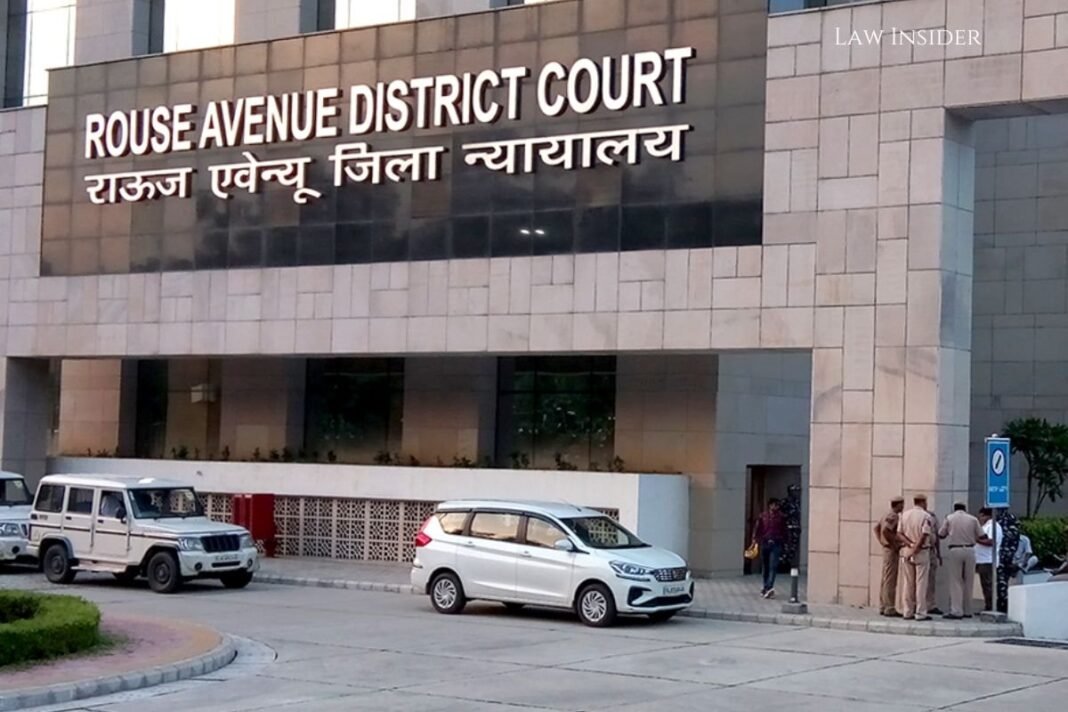


A Delhi court on Saturday rejected the bail pleas of former health department chief Dr Vatsala Aggarwal and Central Procurement Agency head Dr Vinod Kumar Ranga in the alleged Rs 700-crore medical procurement scam, ruling that the gravity of the offences and the need for further investigation require their continued custody.
Special Judge (ACB) Vidya Prakash of the Rouse Avenue Court dismissed the applications of the two former health officials after considering the nature and gravity of the allegations, the alleged modus operandi and the respective roles attributed to each of them, DevDiscourse reported on October 17, 2026.
“Their continued custody is necessary in order to ensure fair and unhindered investigation as there is apprehension that they may influence the investigation,” the court said, according to the report.
Medical procurement scam: why the court said no to bail
The medical procurement scam case centres on alleged irregularities in the purchase of medical goods at inflated prices, involving an estimated Rs 700 crore, and is being investigated by the Anti-Corruption Branch (ACB). Both accused had sought bail on the ground that the chargesheet in the medical procurement scam had been filed after the investigation was complete.
The court, however, observed that the mere filing of a chargesheet does not entitle an accused to bail. It noted that further investigation concerning accused Rajiv Kumar alias Rajiv Rangeela and other unknown entities, firms and companies was still underway.
“The Court is of the considered view that none of the accused persons is entitled to the concession of bail at this stage. Consequently, the bail applications are hereby dismissed and stand disposed off,” Special Judge Prakash said.
Medical procurement scam: the accused and their roles
Dr Vatsala Aggarwal served as the Director General of Health Services (DGHS), the top technical post in the Delhi health administration, while Dr Vinod Kumar Ranga was in charge of the Central Procurement Agency (CPA) during the relevant period. The CPA handles bulk purchases of medicines, equipment and medical supplies for government hospitals.
Aggarwal, 61, was arrested by the ACB earlier this year. In August 2026, the same court had granted her four weeks of interim bail on medical grounds, on a bail bond of Rs 1 lakh and two sureties, after her counsel cited several age-related ailments, Medical Dialogues reported. At the time, her counsel said she had spent 40 days in custody and argued she had been made a scapegoat to protect a senior official, with no recovery made from her residence.
When the interim bail period ended, Aggarwal sought an extension on the same medical grounds. On September 15, 2026, the Rouse Avenue Court declined the request and directed her to surrender before the jail authorities, according to Drug Today.
Senior Public Prosecutor Kumar Sanjay has opposed bail at every stage, arguing that the ailments cited are age-related and that the case is non-bailable, and submitting that interim relief on medical grounds can be granted only if jail authorities are unable to deal with the condition.
What the medical procurement scam ruling means next
With the medical procurement scam investigation still widening, the ACB is expected to file further reports on the role of Rajiv Kumar alias Rajiv Rangeela and the network of firms under scrutiny. The outcome of the medical procurement scam case is being closely watched as a test of accountability in public health spending in the national capital.
The rejection of regular bail marks a significant setback for the two former health officials, who will now remain in judicial custody while the ACB’s investigation continues into the wider network behind the alleged overpriced procurements.
The case has already drawn attention to vulnerabilities in public medical procurement, with the Delhi health department previously rejecting overpricing allegations in CPA procurements amid the probe, according to Medical Dialogues. Investigators are now expected to focus on the alleged role of Rajiv Kumar alias Rajiv Rangeela and the network of unknown firms and companies flagged by the court.
Legal experts say the ruling underscores the judiciary’s growing insistence on custodial scrutiny in large corruption cases involving public health funds, where the possibility of influencing witnesses and documents remains a central concern. The accused retain the option of approaching the Delhi High Court for relief.