


The Indian Patent Office has rejected a TB patent application for BPaL, a six-month, all-oral treatment for drug-resistant tuberculosis. The order, dated 27 October 2026, turned down the application filed by the Global Alliance for TB Drug Development, known as TB Alliance. The TB patent decision followed objections from patient groups and removed a legal barrier that could have limited generic production of the regimen in India. BPaL combines three medicines, bedaquiline, pretomanid and linezolid, and the World Health Organization recommends it for eligible patients with drug-resistant tuberculosis.
TB Alliance filed the application on 16 April 2018. It sought protection for a combination product of the three drugs, with the option of adding pyrazinamide, described in the application as a unitary dosage form. The TB patent order rejected the application under Section 15 of the Patents Act, 1970, after finding that it did not meet the requirements of the Act. Reports of the order said the grounds included lack of novelty, lack of inventive step, non-patentability and insufficient disclosure. The Hindu BusinessLine reported that TB Alliance did not attend the final hearings.
What the TB patent decision covers
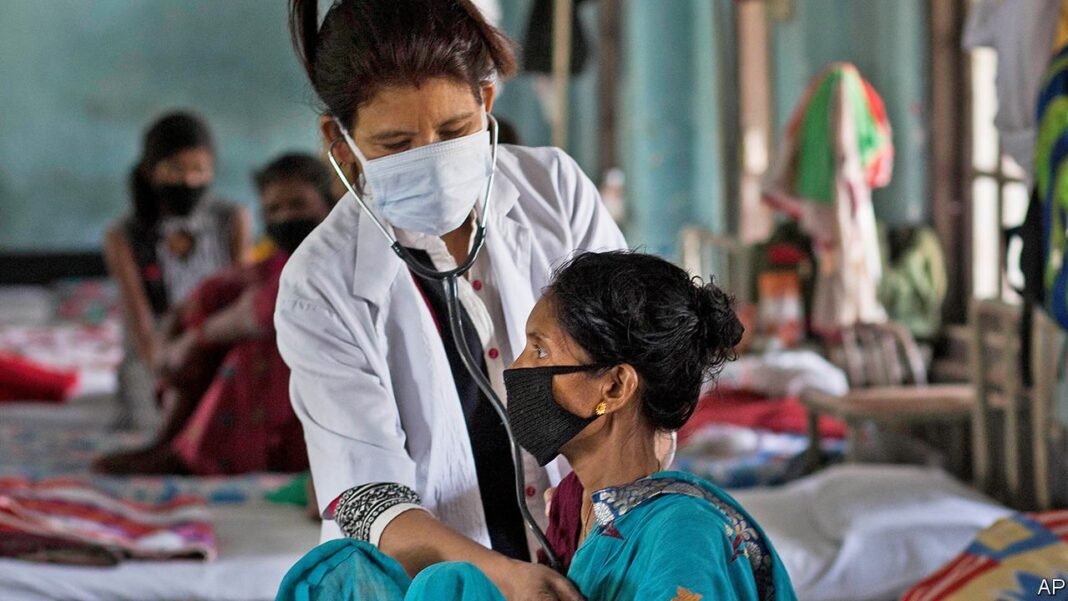
The regimen at the centre of the case treats forms of tuberculosis that resist standard drugs. Multidrug-resistant tuberculosis and rifampicin-resistant tuberculosis are harder to treat than drug-sensitive tuberculosis, and older courses often lasted far longer and relied on injections. BPaL changed that picture for eligible patients because it is taken by mouth over six months. A related regimen, BPaLM, adds moxifloxacin. India approved BPaLM under its National TB Elimination Programme in 2024, and patient groups said more than 15,000 patients had started BPaLM treatment under the national programme.
India carries a large share of the global tuberculosis burden. PharmaBiz, reporting the reaction of patient groups, cited World Health Organization estimates that about 2.71 million people developed tuberculosis in India in 2024, about a quarter of cases worldwide, with an incidence rate of 187 per 100,000 people. That scale explains why access to shorter, oral treatment matters to clinicians and to patients who must complete a full course.
Why the TB patent opposition succeeded
Two pre-grant oppositions were filed in July 2020. The first came from Eldred Tellis of Sankalp Rehabilitation Trust and Ganesh Acharya, a tuberculosis survivor, with support from the Lawyers Collective and the Medecins Sans Frontieres Access Campaign. The second came from the Delhi Network of Positive People, with support from the Third World Network. The opponents argued that the combination, and its use in a shorter regimen, had already appeared in earlier research and clinical trials dating back to 2015. They also relied on safeguards in Indian patent law, including Section 3(d), which restricts patents on new uses of known substances, Section 3(e), which excludes mere admixtures, and Section 3(i), which excludes methods of medical treatment.
The TB patent ruling upheld those grounds, according to PharmaBiz. The opponents had argued that the claimed combination lacked novelty and an inventive step, and that the application did not disclose the invention well enough. Patient groups welcomed the order and said it should send a signal beyond India. Prathibha Sivasubramanian, a senior researcher with the Third World Network, said the decision should prompt TB Alliance to surrender granted patents voluntarily and to withdraw pending applications in other jurisdictions. TB Alliance holds 11 active patents on the combination in other countries, with an expiry date of 5 October 2036, according to reports of the case.
What the TB patent ruling means for patients
For patients in India, the immediate TB patent effect is practical. Generic manufacturers face one fewer TB patent obstacle to making versions of the regimen, and competition among manufacturers tends to push prices down over time. Patient groups said the decision could help enable generic competition and further price reductions in India and elsewhere. That matters because drug-resistant tuberculosis treatment has often been expensive, and public programmes must stretch limited budgets across large numbers of patients. Under the national programme, eligible patients receive BPaLM free of cost through public health facilities, so lower procurement costs can free funds for diagnosis, follow-up and support during treatment.
The ruling does not, by itself, put a new product on pharmacy shelves. A generic maker must still meet manufacturing and regulatory requirements, and clinicians must still decide who is eligible for the regimen. The order also does not settle patent questions in other countries, where TB Alliance holds separate rights. Civil society groups said they would keep pressing the organisation on those patents. For now, the Indian TB patent order closes a case that ran for more than eight years from filing to rejection, and it leaves the six-month oral regimen open to generic competition in the country with the largest tuberculosis burden in the world.