


World Television Day is observed on 21 November, and filmmakers say television still shapes how entertainment is created, consumed and experienced in India. Three directors spoke about the part television plays in keeping films alive long after they leave cinemas, and about how watching a film on television can feel different from seeing it in a theatre. Their remarks were published on World Television Day, when the medium itself was the subject.
The filmmakers described television as a place where audiences stumble on films they had not planned to watch, return to favourites they already know, and talk about scenes years after first seeing them. For them, World Television Day is a reminder that television has given films a second life, and it has kept stars and stories in daily conversation in a way that streaming alone has not replaced.
World Television Day: what the filmmakers said
Navjyot Bandiwadekar, director and producer, said: “From a filmmaker’s perspective, television has a special relationship with cinema. You may switch on the TV without planning to watch a film, catch a scene you love and before you know it, stay till the end. I’ve always enjoyed films like Lagaan, PK and Kantara when they come on. Even a film you’ve watched before can feel fresh when it finds you that way. Sony MAX has been a familiar part of this experience, bringing popular films into people’s homes and everyday routines. Television continues to help audiences discover films, revisit favourites and build a lasting connection with the stories they love.”
Robbie Grewal, director, said: “Over the years, I have had people come up to me and discuss scenes from films that they have watched on television, be it PK or KGF: Chapter 1, amongst many others. Sometimes, they remember a particular moment or an emotion far more vividly than you would expect. As a filmmaker, those conversations are a reminder that a film’s relationship with its audience doesn’t end once it is released. Television has made this possible in a very interesting way. Sony MAX, for instance, has given several films a continued presence in people’s viewing habits. It is always gratifying to know that something you created years ago can still spark a conversation.”
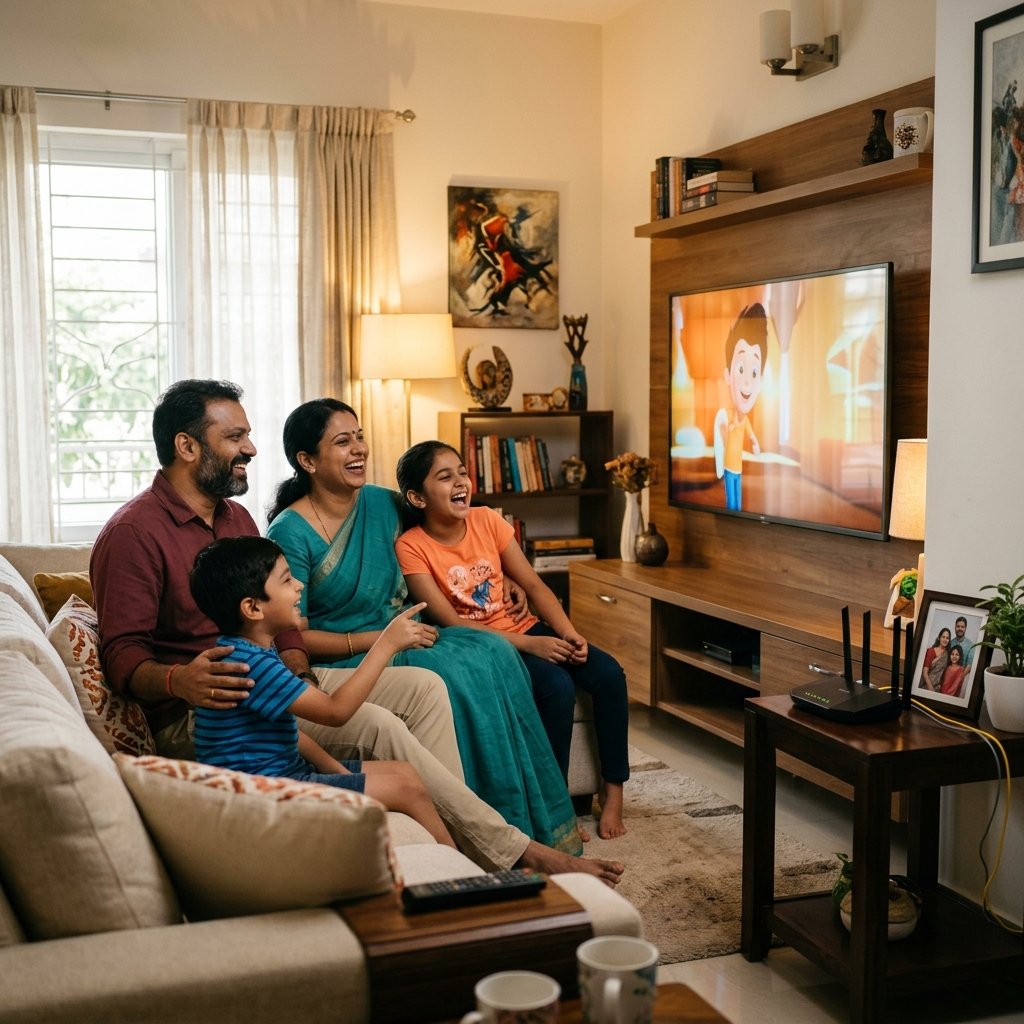
Dhruv Tripathi, director, said: “Growing up in a joint family, television was a big part of how we experienced cinema together. I remember watching a plethora of films on television. There were classics from before my time, films dubbed from different Indian languages, and familiar favourites we could never get enough of. Many of these memories are from lazy afternoons and school holidays, when watching films together became a ritual of its own. Television gave us the chance to revisit the same films time and again, until their characters, dialogues and moments became part of the household. In a way, stars like Amitabh Bachchan and Shah Rukh Khan were regular guests in our living room! There was a certain comfort in that familiarity, but also the excitement of stumbling upon something completely new. I think television gave countless films a life beyond their theatrical release, allowing them to find new audiences across generations. Even today, despite the many ways we consume entertainment, that ability to bring stories into people’s homes and make cinema a shared experience remains incredibly special.”
World Television Day and the Sony MAX premieres
The World Television Day piece notes Sony MAX’s role in television film premieres, citing the record-breaking premiere of Baahubali 2: The Conclusion and Lagaan’s place with television audiences. Its lineup spans PK, Kabir Singh, Sitaare Zameen Par and Bhool Bhulaiyaa 2, films that have found repeat audiences on television after their cinema runs.
World Television Day was established by the United Nations to mark the role of television in communication and in shaping public life. In India, that role has long included film: for many households, the television premiere of a popular film is still an event, and repeat telecasts keep older films in circulation for years. The three directors each made the same point in different words, that a film’s life does not end at the box office.
Television continues to sit at the centre of that second life, and World Television Day marks it each year. The filmmakers said the medium lets audiences discover films by chance, revisit them at will, and pass them on to younger viewers in the same household. World Television Day gives that habit a date on the calendar, and the directors used World Television Day to say that television still shapes India’s entertainment.