
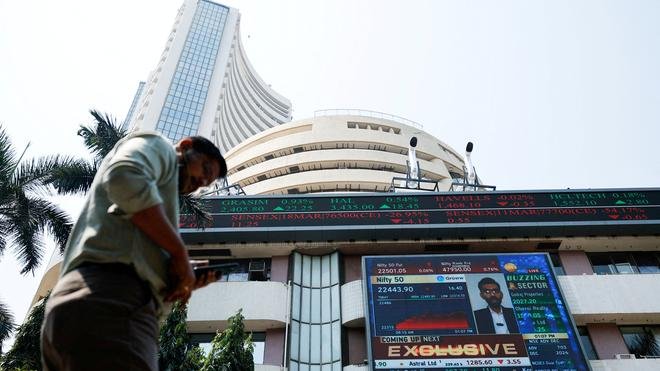


Foreign inflows returned to Indian shares in force on Thursday, 5 November, when overseas investors bought a net Rs 15,000 crore of equities in a single session. The figure, about $1.6 billion, was the biggest one-day net purchase by foreign investors in nearly six years, according to provisional exchange data cited by Reuters. The buying came as Brent crude slipped below $100 a barrel and global investors pulled back from artificial intelligence stocks after the Democrats’ wins in the United States midterm elections.
How the foreign inflows built up
The foreign inflows built up over several sessions before Thursday’s peak. VK Vijayakumar, chief investment strategist at Geojit Investments, said foreign investors had bought shares worth about Rs 35,781 crore over the previous five trading sessions. Over the full week, foreign portfolio investors bought about Rs 45,960 crore of Indian shares, Business Standard reported. Domestic institutions moved the other way, recording net sales of about Rs 24,197 crore in the same week.
The turn matters because foreign investors had sold Indian shares heavily through much of 2026. Their return helped the Sensex jump 2,009 points on Thursday, its best single-day gain in seven months, and the buying carried into Friday, when the index closed at 81,028.02. The rupee also drew support from the foreign inflows, trading at Rs 93.89 to the dollar on Friday after months under pressure.
The rupee had relied on central bank support for much of the year, and the return of foreign capital gave it room to steady. Oil prices and equity flows were the two factors that had weighed on the currency for months, and both turned in the same week. A stronger rupee lowers the cost of imports and helps keep inflation in check, which is one reason the Reserve Bank of India watches foreign flows closely.
The buying showed up in the banks first. HDFC Bank rose 13.8 per cent in the week and ICICI Bank gained 12.4 per cent, their strongest weekly rises in about six years, and the combined market value of BSE-listed companies rose by about Rs 29.57 lakh crore since 28 October to Rs 503.11 lakh crore. Software shares also rose on Friday, with Infosys up about 2 per cent in early trade, as investors judged Indian technology firms less exposed to the global selloff in chip makers.
Why foreign inflows turned to India
Two forces pushed the foreign inflows towards India. The first was oil. India imports most of its crude, so the fall in Brent below $100 cut the import bill and eased inflation pressure, which in turn steadied the rupee and the outlook for interest rates. The second was the cooling of the artificial intelligence trade. The Nasdaq Composite fell 5.5 per cent on Thursday and the Philadelphia Semiconductor Index tumbled more than 12 per cent as investors worried that Democrats could press for tighter rules on data centres and their power use.
India has relatively little exposure to the chip makers and data centre builders at the centre of the selloff. Its technology sector is led by software services firms, which rose on Friday as investors judged them less exposed to the rout. That gap gave the foreign inflows a place to go, and the buying spread from banks to software and auto stocks through the week. Banks led the buying, and HDFC Bank and ICICI Bank posted their strongest weekly gains in about six years.
What could slow the foreign inflows
The foreign inflows can reverse as quickly as they arrived. Brent crude climbed back towards $100 on Friday, and a fresh rise in oil would restore the pressure on the import bill and the rupee. Foreign investors have pulled back from Indian shares before after short bursts of buying, and the durability of the current run will depend on valuations, global interest rates, currency stability and company earnings, which have been mixed for the September quarter.
Oil producer ONGC reported stronger second-quarter profit, helped by higher crude prices during the quarter, a reminder that the same oil price moves cut both ways across the market. For now, the foreign inflows have changed the mood on Dalal Street, and the next test comes with the monthly inflation data and the remaining company results. Trading resumes on Monday after the one-hour Muhurat session on Sunday.