
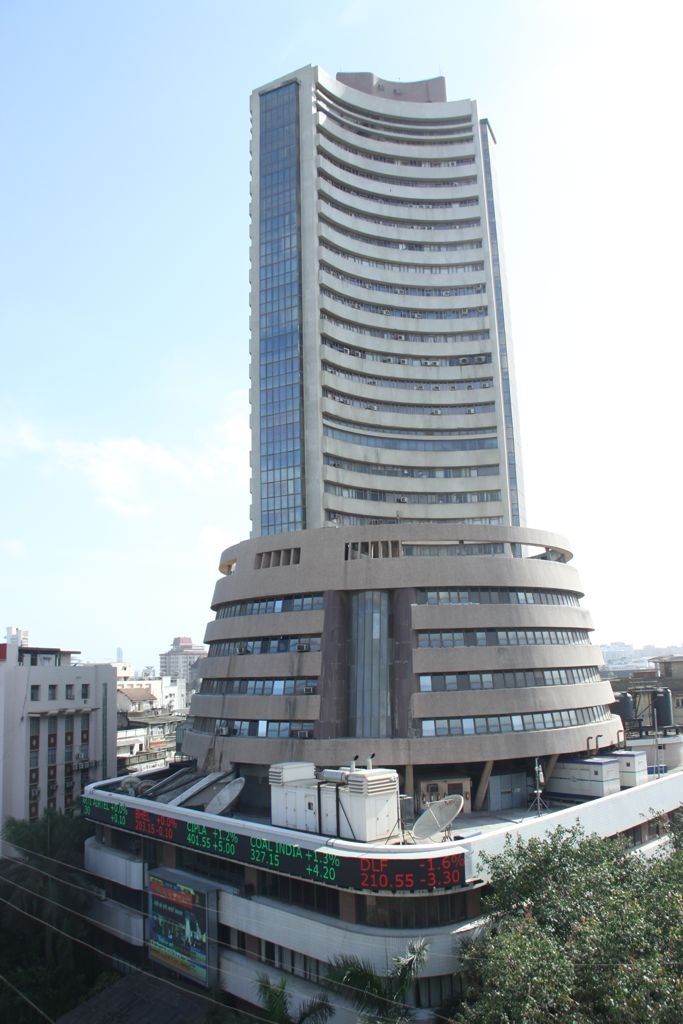


The Sensex rally on Thursday, 19 November, lifted Indian shares sharply, with the BSE Sensex surging 990 points to close at 83,022 and the NSE Nifty gaining 286 points to settle at 25,514. The move took the Nifty back above 25,500 for the first time since 23 February 2026.
Buying was spread across sectors, with auto, financial and fast-moving consumer goods stocks leading the gains. The Sensex rally added nearly Rs 6 lakh crore to the total market value of listed companies, taking the combined market capitalisation of BSE-listed firms to a record Rs 512 lakh crore.
Sensex rally led by auto stocks and cheaper metals
Auto stocks were the strongest part of the market. Mahindra and Mahindra, Eicher Motors and Maruti Suzuki gained between 4 per cent and 7 per cent, and Maruti Suzuki rose around 8 per cent to lead the gains on the Sensex. The Nifty Auto index rose more than 4 per cent during the session.
Falling commodity prices helped the sector. Copper, aluminium and other metals fell to multi-month lows as bets rose on further interest rate hikes by the United States Federal Reserve, which improved the margin outlook for carmakers and consumer durable firms by lowering their input costs.
Shares of air-conditioner makers also rose as copper prices fell, since copper is a key input for cooling equipment. The link between metal prices and factory costs ran through much of the day’s trading, with firms that buy metals in large amounts among the main gainers.
Sensex rally backed by record foreign buying
Foreign investors remained net buyers of Indian equities for the 13th consecutive session on Wednesday, buying shares worth Rs 5,867 crore, according to provisional data from the NSE. Their net buying in November crossed Rs 1 lakh crore, the first time a single month has reached that mark.
The buying is a sharp reversal from the first 10 months of 2026, when foreign investors sold a record Rs 2.95 lakh crore of Indian stocks. The return of overseas money has been the main support for the market in recent weeks, and the Sensex rally on Thursday extended a recovery that began after the selling stopped.
On Thursday itself, provisional data showed foreign institutional investors bought a net Rs 7,411.41 crore of shares, while domestic institutional investors were net sellers of Rs 1,356.57 crore. India has become the biggest recipient of foreign equity inflows among emerging markets this month, according to Bloomberg data cited in market reports.
Sensex rally takes Nifty Bank to a record high
Banking stocks also powered the Sensex rally. The Nifty Bank crossed 63,000 for the first time and closed at a record 63,063, up 1,024 points on the day, with all 12 of its constituents advancing. HDFC Bank, State Bank of India and ICICI Bank were among the main contributors.
FMCG stocks moved higher on expectations of lower input costs, with Hindustan Unilever gaining 4 per cent to lead buying in the sector. IREDA extended its rally, gaining 31 per cent in November, and public sector banks also attracted buying interest.
Oil prices stayed almost unchanged at around $92 per barrel, which helped sentiment in India as a major crude importer. The Sensex rally held through the close despite the flat oil price, and the rupee hovered near a seven-month high of around 93.34 per dollar, supported by the same foreign inflows that lifted shares.
IT stocks stayed under pressure during the session amid expectations of higher United States interest rates, which set them apart from the rest of the market. The Sensex rally was broad, but the gains were concentrated in domestic demand sectors rather than exporters, which matched the pattern of foreign buying in recent weeks.
Goldman Sachs has upgraded Indian equities to Overweight and set a Nifty 50 target of 28,500 by the end of 2027, citing attractive valuations, improving corporate earnings and a stronger growth outlook. Vinod Nair, head of research at Geojit Investments, said Indian equities extended their recovery despite weak Asian cues and concern over a hawkish US Fed, supported by sustained foreign inflows and easing commodity prices from copper to crude.